
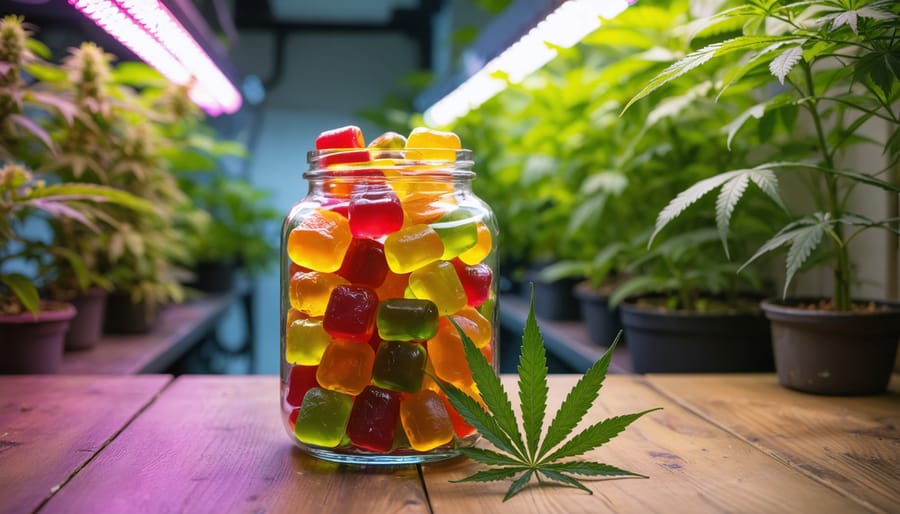
The cannabis industry’s rapid expansion has created an environmental paradox: Get 20% off on Delta 9 gummies that offer consumers a smoke-free alternative, yet their production carries a hidden ecological cost that demands immediate attention. From energy-intensive cultivation requiring up to 2,000 kilowatt-hours per pound of product to packaging waste flooding landfills, these popular edibles leave footprints far beyond their small, colorful shapes suggest.
**Examine cultivation energy consumption** by investigating whether manufacturers use renewable energy sources, LED grow lights, or outdoor farming methods that reduce electricity demands by up to 90% compared to traditional indoor operations.
**Scrutinize packaging materials** to identify brands using biodegradable hemp-based plastics, recycled materials, or minimalist designs that eliminate unnecessary layers—conventional gummy packaging can take 500 years to decompose.
**Assess water usage patterns** since cannabis cultivation requires 6 gallons of water daily per plant, making water-efficient drip irrigation and recirculation systems critical sustainability indicators.
**Investigate pesticide and fertilizer practices** that contaminate watersheds and soil, prioritizing organic certifications and regenerative agriculture approaches that restore ecosystem health rather than depleting it.
This comprehensive analysis reveals both the challenges and emerging solutions within the Delta-9 THC gummy industry, empowering consumers and policymakers to drive meaningful change through informed choices and evidence-based advocacy.
The Delta-9 THC Gummy Production Chain: From Plant to Package
Hemp and Cannabis Cultivation Practices
Cannabis and hemp cultivation for Delta-9 THC extraction presents significant environmental considerations that demand our attention and action. Understanding these impacts empowers us to advocate for more sustainable practices across the industry.
Water consumption stands as a primary concern, with cannabis plants requiring approximately 22 liters of water per plant daily during peak growing season. In drought-prone regions, this intensive water demand strains already limited freshwater resources and competes with agricultural and municipal needs. Research indicates that outdoor cannabis cultivation can consume up to six gallons of water per plant per day, making water management a critical sustainability challenge.
Pesticide use presents another crucial environmental issue. Many cannabis operations rely on chemical pesticides that can contaminate soil, groundwater, and nearby ecosystems. These substances pose risks to beneficial insects, wildlife, and human health. Strengthening pesticide regulations and promoting organic cultivation methods represent essential steps toward protecting biodiversity and ecosystem health.
Indoor cultivation operations, while offering greater control, consume substantial energy for lighting, climate control, and ventilation systems. Studies show indoor cannabis production can generate carbon emissions equivalent to 4,600 pounds of CO2 per pound of dried flower—comparable to driving across the United States seven times.
Soil health impacts vary significantly between cultivation methods. Regenerative outdoor farming can enhance soil biodiversity and carbon sequestration, while intensive monoculture operations may deplete nutrients and increase erosion risks.
The solution lies in promoting sustainable cultivation standards, including water-efficient irrigation systems, integrated pest management, renewable energy adoption for indoor operations, and regenerative agriculture practices. By demanding transparency and supporting certified sustainable producers, we can drive meaningful environmental improvements throughout the Delta-9 supply chain.
Chemical Extraction and Processing
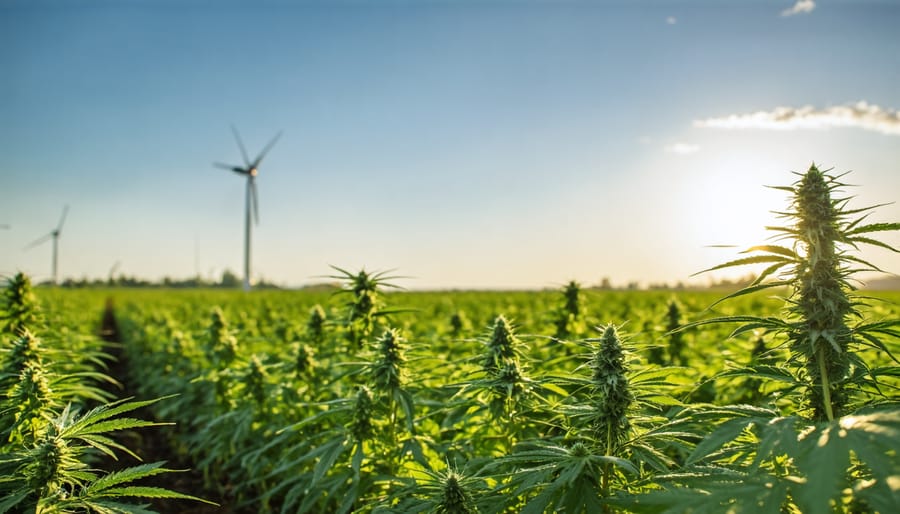
The production of Delta-9 THC gummies begins with extracting cannabinoids from cannabis plants—a process with significant environmental implications. The most common cannabis extraction processes include CO2 extraction, ethanol extraction, and hydrocarbon methods, each carrying distinct ecological footprints.
CO2 extraction, while producing cleaner end products, requires substantial energy to maintain the high pressures and temperatures necessary for supercritical CO2 systems. A single extraction facility can consume as much electricity annually as dozens of households. Ethanol extraction generates considerable chemical waste—spent solvents that require proper disposal to prevent soil and water contamination. Hydrocarbon methods, though efficient, pose risks of volatile organic compound emissions and potential groundwater pollution if not carefully managed.
Beyond extraction, processing THC into gummy form demands additional energy for heating, mixing, and climate-controlled curing environments. Chemical waste streams include residual solvents, winterization materials, and filtration byproducts. Many facilities lack comprehensive waste management systems, leading to improper disposal practices.
The encouraging news? Sustainable alternatives are emerging. Solventless extraction methods like rosin pressing eliminate chemical waste entirely. Renewable energy integration can dramatically reduce carbon footprints. Companies investing in closed-loop solvent recovery systems minimize waste while improving efficiency. By demanding transparency about extraction methods and supporting producers committed to clean processing technologies, consumers can drive industry-wide transformation toward environmentally responsible THC gummy production.
Packaging Waste: The Plastic Problem Behind Every Gummy
Child-Resistant Packaging Mandates and Environmental Trade-offs
Child-resistant packaging requirements for cannabis products, while essential for public safety, create significant environmental challenges. Federal and state regulations mandate that Delta-9 THC gummies be packaged in containers that meet strict child-safety standards, typically requiring multiple layers of plastic and complex locking mechanisms. This regulatory framework often results in excessive packaging that contributes to the growing plastic waste crisis.
A single package of THC gummies can contain up to four times more plastic than comparable non-cannabis edibles. The multi-layered approach—typically including a plastic child-resistant container, inner sealed pouch, and outer box—creates recycling nightmares as these composite materials cannot be easily separated or processed by standard facilities. Studies indicate that cannabis packaging generates approximately 150 million pounds of waste annually in North America alone, with single-use plastics comprising the majority.
However, innovative companies are pioneering sustainable alternatives that maintain safety compliance. Biodegradable child-resistant containers made from hemp-based bioplastics are entering the market, offering the same protective features while decomposing within months rather than centuries. Reclaim-and-reuse programs allow consumers to return empty containers for sanitization and refilling, dramatically reducing single-use waste. Some manufacturers have introduced minimal packaging designs using post-consumer recycled materials and plant-based inks.
Policymakers can accelerate this transition by updating regulations to explicitly permit sustainable packaging alternatives and incentivizing companies that adopt circular economy principles. Consumer demand for eco-friendly options drives market innovation—choosing brands committed to sustainable packaging sends powerful signals that environmental responsibility matters. By supporting progressive regulations and conscious purchasing decisions, we can protect both children and the planet.

Energy Consumption and Carbon Footprint
Climate Impact Comparisons
Understanding the environmental footprint of Delta-9 THC gummies becomes clearer when we compare them to familiar products. Current research suggests that cannabis cultivation for edibles generates approximately 2-5 kg of CO2 equivalent per gram of THC produced—a footprint comparable to some pharmaceutical manufacturing processes but significantly lower than traditional prescription medications requiring complex synthesis pathways.
To contextualize further, producing a standard 10mg THC gummy generates roughly 20-50 grams of CO2 equivalent when accounting for cultivation, extraction, and manufacturing. This is similar to producing a single serving of chocolate or a small plastic bottle, yet substantially less than pharmaceutical tablets requiring petrochemical precursors. Indoor cannabis cultivation remains the primary carbon contributor, accounting for 60-80% of total emissions due to energy-intensive lighting and climate control systems.
Comparatively, traditional pharmaceutical production can generate 25-100 kg CO2 per kilogram of active ingredient, making cannabis edibles potentially more sustainable than synthetic alternatives—especially when produced using renewable energy and regenerative agriculture practices. However, packaging represents another critical consideration, with conventional gummy containers often generating 10-30 grams of plastic waste per product.
This comparison reveals opportunity rather than defeat. By transitioning to outdoor or greenhouse cultivation with renewable energy, implementing circular packaging solutions, and optimizing supply chains, the cannabis edibles industry can achieve a carbon footprint 40-70% lower than current averages. The pathway exists; collective action from producers, consumers, and policymakers will determine whether we take it.
Chemical Runoff and Water Contamination Risks
Hemp cultivation for Delta-9 THC gummies creates significant water quality challenges that demand immediate attention from growers and regulators alike. Agricultural runoff from hemp farms carries pesticides, synthetic fertilizers, and sediment into nearby streams, rivers, and groundwater systems. Studies show that intensive hemp farming operations can discharge nitrogen and phosphorus levels that exceed safe thresholds, triggering algal blooms and oxygen depletion in aquatic ecosystems.
The processing phase introduces another layer of concern. Extraction facilities use various solvents and chemicals to isolate cannabinoids, generating wastewater laden with organic compounds and chemical residues. Without proper treatment systems, this effluent can contribute to broader water contamination problems affecting drinking water sources and wildlife habitats. Research indicates that cannabis processing wastewater contains elevated biochemical oxygen demand, which stresses aquatic life when released untreated.
Pesticide application presents particularly troubling risks. While organic hemp cultivation minimizes synthetic chemicals, conventional farms often apply pesticides that persist in waterways long after initial use. These compounds accumulate in sediment and bioaccumulate through food chains, threatening fish populations and the animals that depend on them.
However, solutions exist. Implementing vegetated buffer zones between hemp fields and waterways can filter up to 80% of agricultural pollutants before they reach streams. Closed-loop water systems in processing facilities dramatically reduce wastewater discharge while conserving resources. Third-party certification programs help consumers identify brands committed to water protection.
As consumers, we can drive change by supporting companies that transparently report their water management practices and invest in pollution prevention technologies. Policymakers must establish enforceable water quality standards specific to hemp cultivation and processing. Together, through informed choices and robust regulations, we can ensure that Delta-9 THC production protects rather than pollutes our precious water resources.
Regulatory Gaps: Who’s Holding the Industry Accountable?
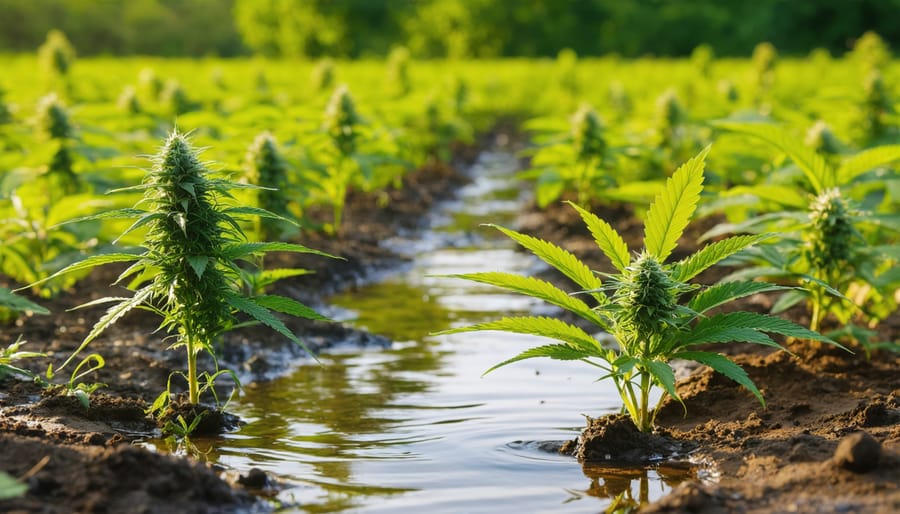
The cannabis and hemp industries operate in a complex regulatory landscape where environmental oversight remains fragmented and inconsistent. While these industries have experienced rapid growth, environmental protection mechanisms haven’t kept pace, leaving significant accountability gaps.
At the federal level, cannabis remains classified as a Schedule I substance, creating a paradox where regulatory agencies like the Environmental Protection Agency (EPA) have limited jurisdiction over cultivation practices. Meanwhile, hemp-derived Delta-9 THC products fall under the 2018 Farm Bill, which primarily addresses agricultural legality rather than environmental standards. This federal ambiguity means environmental regulations often default to state control, resulting in a patchwork of widely varying standards.
State-level regulations demonstrate dramatic inconsistencies. California requires comprehensive environmental impact assessments for cannabis operations, including water usage monitoring and pesticide tracking. Colorado mandates energy audits for cultivation facilities. However, many states with emerging hemp industries have minimal environmental requirements, focusing instead on product safety and market access.
Enforcement mechanisms present another critical weakness. Even where regulations exist, many states lack dedicated resources for environmental compliance monitoring. Budget constraints mean inspections are infrequent, and penalties for violations often remain minimal compared to potential profits. The hemp-derived Delta-9 sector faces even less scrutiny, with some products entering markets through loopholes that bypass rigorous environmental vetting entirely.
This regulatory vacuum creates unfair competition, where environmentally responsible producers face higher costs than those cutting corners. Without standardized federal guidelines and adequate enforcement funding, the industry’s environmental impact will continue expanding unchecked. Closing these gaps requires coordinated action between federal agencies, state governments, and industry stakeholders to establish comprehensive, enforceable environmental standards that protect ecosystems while supporting sustainable industry growth.
Sustainable Alternatives and Industry Innovation
The cannabis edibles industry stands at a pivotal moment where innovation and environmental stewardship can converge to create meaningful change. Forward-thinking companies are demonstrating that profitability and sustainability aren’t mutually exclusive—they’re complementary forces driving the sector toward a greener future.
Leading manufacturers are embracing sustainable cultivation practices that prioritize regenerative agriculture. These approaches focus on building soil health through composting, cover cropping, and minimal tillage, which sequester carbon while reducing dependence on synthetic fertilizers. Some cultivators have adopted living soil methods that create self-sustaining ecosystems, cutting water usage by up to 40% compared to conventional hydroponics while enhancing plant resilience naturally.
Packaging innovation represents another frontier for environmental progress. Several industry pioneers have transitioned to compostable hemp-based plastics, recycled ocean-bound plastics, and minimalist designs that eliminate excess materials. Companies like Wana Brands and Kiva Confections have implemented take-back programs, allowing consumers to return packaging for proper recycling or composting. These initiatives address the critical waste stream challenge while educating consumers about responsible disposal.
Energy efficiency improvements are transforming production facilities. Solar-powered extraction labs, LED lighting systems, and waste heat recovery technologies are reducing the carbon intensity of gummy manufacturing. One Colorado-based producer achieved carbon neutrality by combining renewable energy procurement with verified carbon offset investments in forest conservation projects.
Industry collaborations are accelerating progress through shared best practices and standardized sustainability metrics. The Cannabis Sustainability Symposium and organizations like the Resource Innovation Institute provide frameworks for measuring environmental performance, enabling transparent comparisons and continuous improvement.
These innovations prove that environmental responsibility can be embedded throughout the Delta-9 gummy supply chain. However, scaling these solutions requires consumer support, regulatory incentives, and industry-wide commitment. By choosing products from environmentally responsible companies and advocating for sustainability standards, stakeholders can drive systemic transformation. The path forward demands collective action—transforming today’s innovations into tomorrow’s industry standards.
What Policymakers and Consumers Can Do
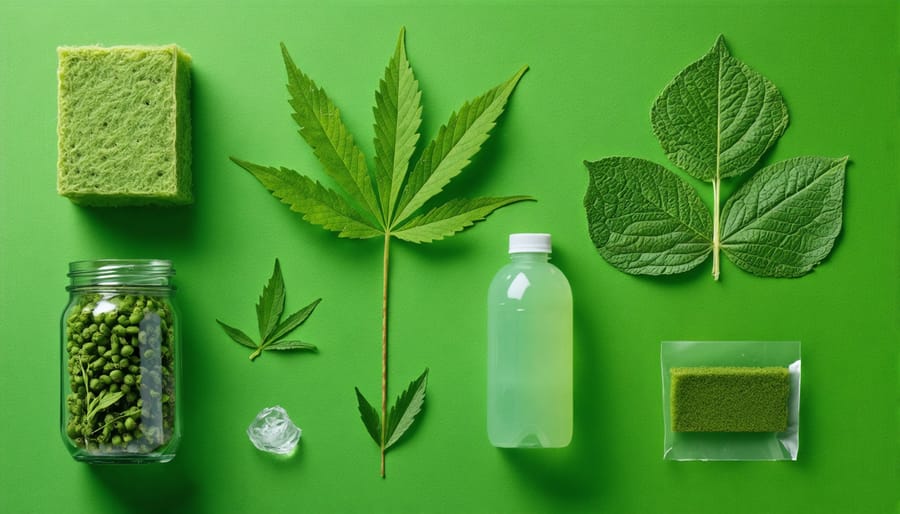
Reducing the environmental footprint of Delta-9 THC gummies requires coordinated action across multiple levels—from individual consumer choices to comprehensive policy reform.
**For Policymakers**
Regulatory frameworks must evolve to address the unique environmental challenges of cannabis edibles. Policymakers should mandate environmental impact assessments for cannabis production facilities, establishing clear standards for water usage, energy consumption, and waste management. Implementing extended producer responsibility programs would require manufacturers to manage packaging waste throughout its lifecycle. Additionally, creating incentives for sustainable practices—such as tax breaks for renewable energy adoption or organic certification—can accelerate industry-wide improvements. States should also standardize sustainability reporting requirements, making environmental performance transparent and comparable across producers.
**For Industry Leaders**
Cannabis companies can lead by example through voluntary adoption of third-party sustainability certifications and transparent supply chain reporting. Investing in renewable energy, implementing closed-loop water systems, and transitioning to biodegradable or recyclable packaging materials demonstrates corporate responsibility while meeting growing consumer demand for eco-friendly products. Industry associations should establish collective environmental standards that exceed minimum regulatory requirements.
**For Consumers**
Your purchasing power drives market transformation. Prioritize brands that demonstrate verifiable sustainability commitments through certifications like organic, carbon-neutral, or B Corporation status. Choose products with minimal, recyclable packaging and support companies transparent about their environmental practices. Research producers’ cultivation methods—indoor operations using renewable energy or regenerative outdoor farms significantly reduce ecological impact compared to conventional indoor grows.
Engage in advocacy by contacting legislators about cannabis sustainability regulations and supporting organizations working toward environmental reform in the cannabis industry. Share information within your networks to amplify awareness about sustainable options. Every informed purchase and advocacy action contributes to building a more environmentally responsible cannabis market that protects our planet for future generations.
The environmental footprint of Delta-9 THC gummies extends far beyond the product itself, touching every stage from seed to disposal. Yet this reality should not discourage us—rather, it presents an opportunity for transformative change. The cannabis industry stands at a critical juncture where intentional, evidence-based action can redirect its trajectory toward genuine sustainability.
Research clearly demonstrates that sustainable cannabis production is not only possible but increasingly viable. Energy-efficient cultivation technologies, regenerative agricultural practices, biodegradable packaging alternatives, and circular economy models already exist and are being successfully implemented by forward-thinking producers. These innovations prove that environmental stewardship and cannabis commerce can coexist productively.
However, voluntary industry efforts alone cannot achieve the necessary scale of change. Comprehensive regulatory frameworks must establish mandatory environmental standards, requiring transparent supply chain accountability and lifecycle impact assessments. Policymakers have a responsibility to close existing regulatory gaps that allow environmentally harmful practices to persist unchecked.
Consumers wield significant power through purchasing decisions. By demanding transparency, supporting certified sustainable brands, and advocating for stronger environmental protections, individuals can accelerate market transformation. Academic institutions and research organizations must continue generating the evidence base that informs both policy and practice.
The path forward requires collective commitment from all stakeholders. The cannabis industry’s environmental impact is substantial, but so too is our capacity to address it. The question is not whether we can create sustainable Delta-9 THC products—it is whether we will summon the collective will to do so before irreversible damage occurs.