
Climate Accountability: How Governments and Polluters Are Held Responsible for Climate Action

Climate accountability is the system through which governments, corporations, and institutions are monitored and compelled to meet their climate commitments. It operates through legal frameworks, transparent reporting requirements, enforcement mechanisms, and public oversight that together determine whether climate promises translate into measurable emissions reductions.
Without accountability, climate pledges remain aspirational. The Canadian Net-Zero Emissions Accountability Act, which became law in 2021, exemplifies how nations are embedding transparency into climate policy by requiring the federal government to set targets, …


CEE Bees: How Citizen Science Is Transforming Pollinator Conservation in 2026

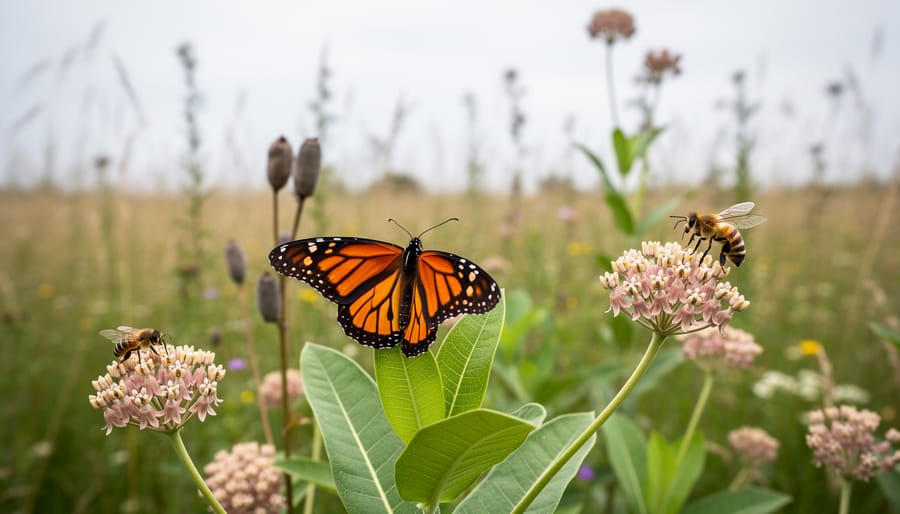
CEE Bees is a citizen science initiative that empowers everyday people to collect critical pollinator data through standardized observation protocols, transforming casual bee watchers into contributors to biodiversity research. By documenting bee sightings, behaviors, and habitat conditions using accessible tools and methods, participants generate datasets that help scientists track population trends, identify at-risk species, and inform conservation strategies where professional monitoring would be cost-prohibitive or logistically impossible.
The program matters because bees function as a …

Ecosystem Restoration Projects: How Science-Backed Initiatives Revive Degraded Habitats

Ecosystem restoration projects are coordinated, science-based efforts to recover degraded landscapes by repairing ecological functions, reinstating native species, and rebuilding the natural processes that sustain life. These initiatives operate at scales from urban parks to continental watersheds, reversing damage caused by deforestation, pollution, intensive agriculture, and climate change. Rather than simply planting trees or removing invasive species, successful restoration integrates hydrology management, soil rehabilitation, wildlife …

Xerces Society Webinars: Your Gateway to Pollinator Conservation Training

The Xerces Society offers free and low-cost webinars that teach practical conservation strategies for protecting pollinators, beneficial insects, and other invertebrates critical to ecosystem health. These online educational sessions connect land managers, gardeners, conservation professionals, and concerned citizens with leading scientists and field practitioners who share evidence-based techniques for habitat restoration, pollinator-friendly farming, and regional conservation planning.
Invertebrate populations have declined sharply across North America, with monarch butterflies down nearly 90% since the mid-1990s and …

Secretary of the Environmental Protection Agency News Update: What Changed and What to Watch in 2026

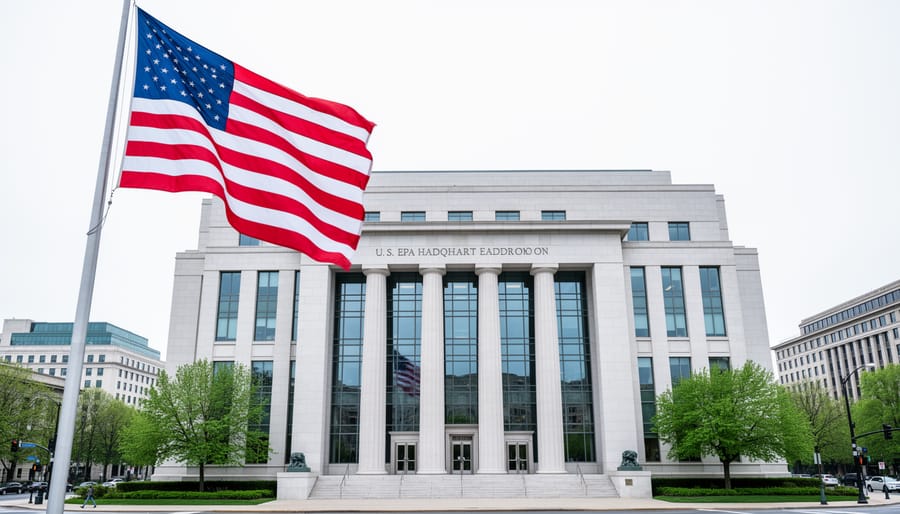
The administrator of the Environmental Protection Agency holds one of the most scrutinized leadership positions in U.S. environmental governance, accountable through congressional oversight, public transparency requirements, and independent audit mechanisms that shape how the agency pursues its mandate. Unlike agency heads in parliamentary systems, the EPA administrator reports directly to the president while facing accountability to Congress, federal courts, and the public through the Freedom of Information Act and regular performance reviews.
Recent shifts in how we track and demand accountability from EPA leadership have …

Scientific Bee: How Precision Research Is Solving the Pollinator Crisis

Scientific bee research is the systematic study of bee biology, behavior, ecology, and population dynamics to understand pollinator decline and inform conservation strategies. It encompasses field surveys, genetic analysis, disease surveillance, and habitat monitoring, transforming raw data into actionable solutions that protect these vital pollinators and the ecosystems they sustain.
The urgency couldn’t be clearer. Bee populations have declined by 40-50% in many regions over the past two decades, threatening the pollination services that support one-third of global food production. Scientific research provides the evidence …

Is the Environmental Protection Agency a Government Corporation? Structure, Authority, and Accountability

No, the Environmental Protection Agency is not a government corporation. The EPA is an independent executive agency of the federal government, created by executive order in 1970 and operating under the authority of numerous environmental statutes passed by Congress. Unlike government corporations such as the United States Postal Service or Amtrak, which function with corporate structures and revenue-generating mandates, the EPA receives direct appropriations from …

CERI Bioenergy Innovation Center: Programs, Solutions, and How to Get Involved

A bioenergy innovation center accelerates the transition from fossil fuels to sustainable energy by developing, testing, and scaling technologies that convert organic materials into clean power, fuels, and chemicals. These specialized facilities bring together scientists, industry partners, and policymakers to solve technical barriers in biofuel production, biomass conversion, and carbon-neutral manufacturing processes that can operate at commercial scale.
The urgency is clear: global energy systems must achieve net-zero emissions while meeting growing demand. Bioenergy offers a solution grounded in biological cycles rather than …

How to Become a CER Volunteer: Join Environmental Workshops and Campaigns in 2026

Volunteering with the Center for Environmental Research and Innovation (CERI) offers a direct pathway to contribute to evidence-based environmental advocacy through workshops, campaigns, and community outreach programs. CERI volunteers support climate action initiatives, participate in sustainability education workshops, and help amplify policy advocacy efforts that drive real environmental change. Whether you’re interested in grassroots organizing, research assistance…

4 Critical Global Warming Effects Driving International Environmental Policy Reform

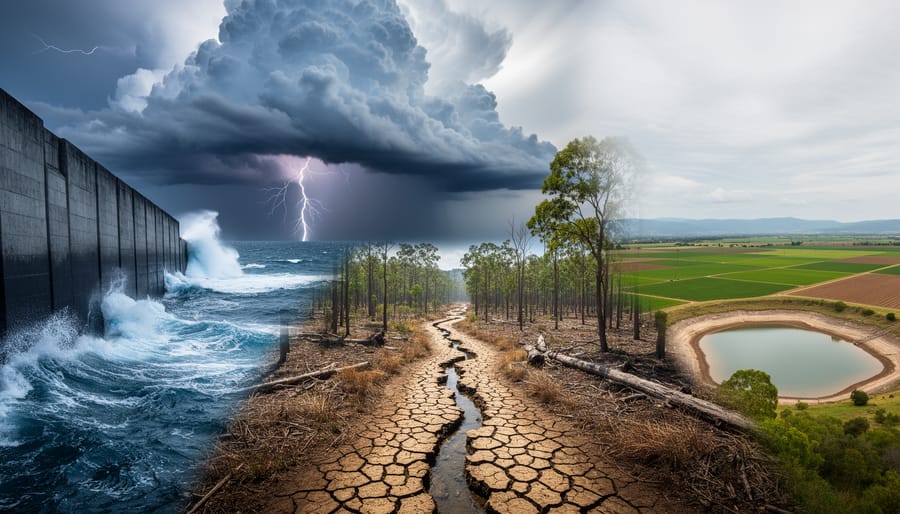
The four primary effects of global warming are rising sea levels, extreme weather intensification, ecosystem disruption, and threats to food and water security. These impacts are scientifically documented, currently measurable, and affect communities worldwide through mechanisms governed by international climate agreements and national policy frameworks.
Understanding these effects matters because each carries specific policy implications and response pathways. Rising seas trigger coastal adaptation programs and migration policies. Extreme weather events activate disaster response protocols and infrastructure investment requirements…