Volunteering with the Center for Environmental Research and Innovation (CERI) offers a direct pathway to contribute to evidence-based environmental advocacy through workshops, campaigns, and community outreach programs. CERI volunteers support climate action initiatives, participate in sustainability education workshops, and help amplify policy advocacy efforts that drive real environmental change. Whether you’re interested in grassroots organizing, research assistance, or public engagement, CERI provides structured opportunities that match your skills with their mission to advance sustainable solutions.
The volunteer experience typically involves commitment to specific projects or campaigns, with flexibility built around your schedule and expertise. CERI’s volunteer program serves dual purposes: equipping participants with practical knowledge about environmental challenges while mobilizing collective action toward measurable policy outcomes. This model has proven effective because volunteers gain hands-on experience in advocacy strategies, scientific communication, and community organizing while contributing to campaigns that influence environmental legislation and corporate sustainability practices.
Getting started requires understanding which programs align with your interests and availability. CERI regularly recruits volunteers for seasonal campaigns, ongoing research projects, and educational initiatives throughout the year. The application process involves completing an online form, attending an orientation session, and selecting your focus area. This structured approach ensures volunteers receive proper training and support while enabling CERI to maintain the quality and impact of their environmental work. Your contribution, whether a few hours monthly or weekly engagement, directly strengthens the collective effort to address pressing environmental issues through informed action.
What CER Volunteers Do
CER volunteers serve as the frontline force behind CERI’s environmental protection and restoration efforts. Your work spans five interconnected areas that translate research into real-world change.
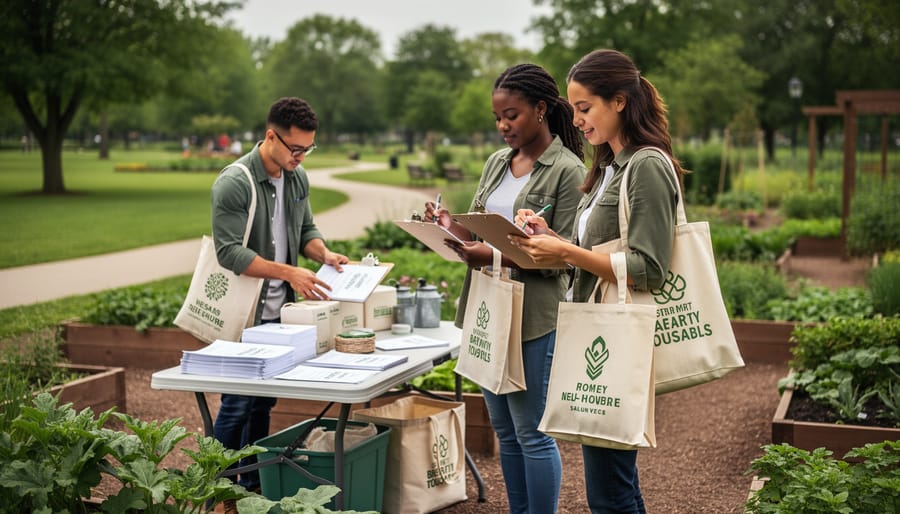
In workshops, volunteers assist with hands-on environmental science activities, collecting water samples, testing soil quality, operating monitoring equipment, and documenting ecological conditions. You’ll support researchers during field studies and help translate technical findings into accessible community resources.
Community campaigns put volunteers at the heart of advocacy. You might canvass neighborhoods to build support for pollution reduction policies, organize public forums on wastewater management, or coordinate petition drives holding governments accountable. These community action wins directly shape environmental policy and corporate behavior.
Research support roles involve data entry, literature reviews, preparing materials for scientific publications, and maintaining environmental databases. Volunteers with analytical skills help process monitoring results that inform CERI’s evidence-based recommendations.
Advocacy efforts include writing letters to policymakers, testifying at public hearings, staffing information booths at community events, and managing social media campaigns that spotlight environmental violations. You become a trained voice for ecosystems that cannot speak for themselves.
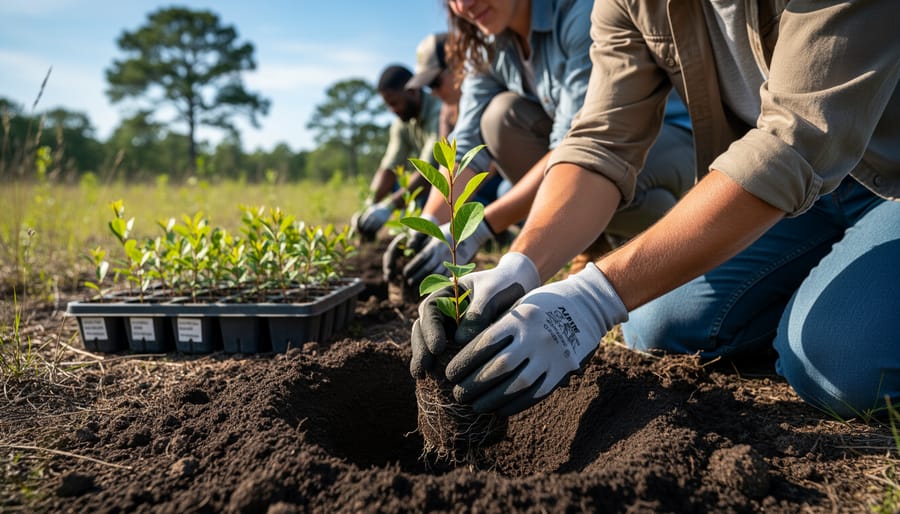
Field work ranges from habitat restoration, planting native species, removing invasive plants, installing erosion controls, to ongoing environmental monitoring at designated sites. Volunteers conduct wildlife surveys, measure stream health indicators, and document changes in threatened ecosystems.
The tangible impact is measurable: volunteers have helped restore over 40 hectares of wetlands, contributed to policy changes affecting water quality standards, and engaged thousands of community members in environmental stewardship. Every role, whether behind a microscope or at a town hall, advances CERI’s mission of protecting ecosystems through science and collective action.
Types of CERI Environmental Workshops and Campaigns
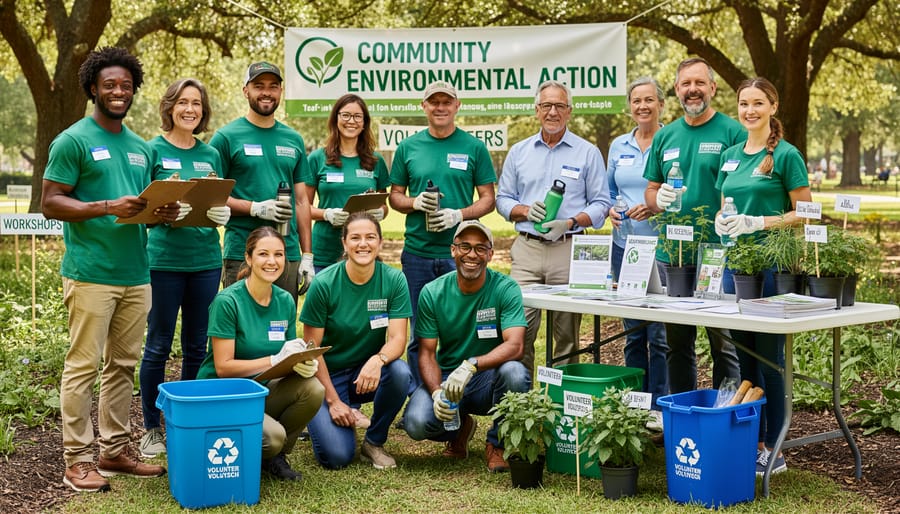
Research and Innovation Workshops
CERI’s Research and Innovation Workshops give CER volunteers direct exposure to cutting-edge environmental science and technology development. You’ll participate in real data collection projects, from water quality testing and soil analysis to wildlife monitoring using remote sensing equipment. These sessions teach scientific methods while contributing to CERI’s active research and programs tackling pollution, climate adaptation, and ecosystem health. Volunteers often assist in pilot projects testing new remediation technologies or developing sustainable solutions for industrial environmental challenges. No prior research experience is required, workshops include training on equipment, protocols, and data integrity standards, making environmental science accessible while building practical skills you can apply in academic or professional settings.
Community Advocacy Campaigns
Community advocacy campaigns put CER volunteers at the forefront of environmental accountability, mobilizing communities to demand action from policymakers and corporations. Volunteers organize petition drives, coordinate letter-writing campaigns to elected officials, and help stage public demonstrations that spotlight environmental violations. You’ll participate in town halls and regulatory hearings, presenting evidence and testimony that amplify community voices in decision-making processes. CERI’s campaigns focus on holding polluters accountable through documentation efforts, social media advocacy, and coalition-building with allied organizations. Volunteers trained in these campaigns develop organizing skills while contributing to measurable environmental policy impact from securing stricter emissions standards to stopping harmful development projects. These grassroots efforts demonstrate that collective action drives real change, transforming concerned citizens into effective environmental advocates.
Restoration and Field Programs
CERI’s restoration and field programs put volunteers directly on the ground, working to repair damaged ecosystems and track environmental health in real time. These hands-on initiatives include wetland and riparian zone restoration, native plant reestablishment, soil and water quality monitoring, and wildlife habitat protection. Volunteers collect field data, install erosion control measures, remove invasive species, and maintain conservation sites across diverse landscapes. Many programs integrate water education into field work, teaching participants how to assess watershed health and understand the connections between water systems and ecosystem resilience. These programs offer CER volunteers the chance to see measurable environmental improvement from their efforts while gaining practical conservation skills.
Who Can Volunteer with CERI
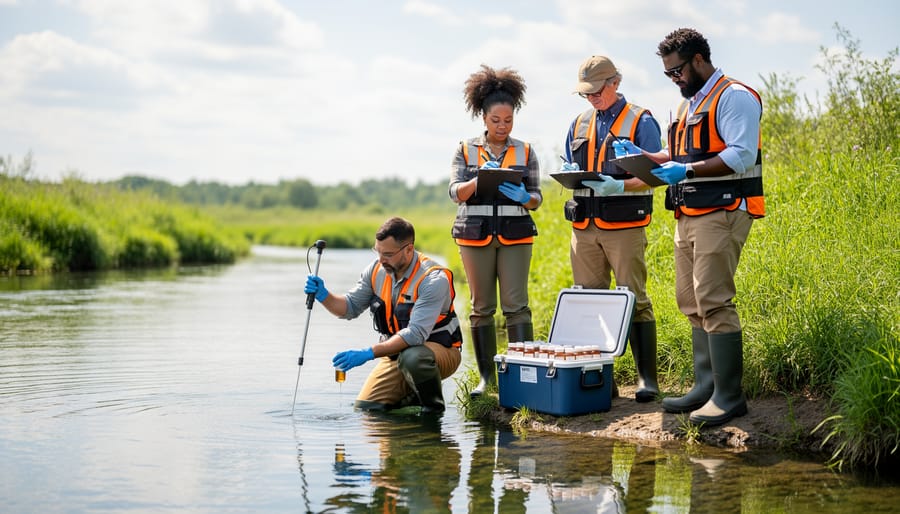
CERI welcomes volunteers from all backgrounds and experience levels. You don’t need advanced degrees or specialized environmental training to contribute, just a genuine commitment to environmental protection and a willingness to learn.
Students make up a significant portion of CERI’s volunteer base, from high schoolers completing service requirements to undergraduates seeking field experience and graduate students conducting collaborative research. Academic professionals, including researchers and educators, contribute specialized knowledge to workshops and campaigns while staying connected to grassroots environmental work.
Working professionals bring valuable skills that strengthen CERI’s impact. Project managers help coordinate multi-site campaigns, communications specialists amplify advocacy messages, data analysts process environmental monitoring results, and legal professionals support policy initiatives. Retirees often become some of the most dedicated volunteers, contributing decades of professional expertise alongside newfound time for environmental stewardship.
Community members without formal environmental backgrounds fill essential roles. Local residents provide crucial knowledge about neighborhood environmental issues, parents organize school-based education campaigns, and concerned citizens mobilize their networks for advocacy efforts. CERI values lived experience and community connection as much as technical credentials.
International volunteers participate remotely in data analysis, social media campaigns, and research projects, while local volunteers engage in field programs and in-person workshops. Most positions require no background checks, though certain roles involving minors or sensitive locations may have standard screening procedures.
Physical ability requirements vary by activity. Restoration fieldwork demands moderate physical fitness, but many workshops, advocacy campaigns, and research roles are fully accessible to people with mobility limitations. CERI works with individual volunteers to match opportunities with capabilities and interests, ensuring everyone can contribute meaningfully to environmental protection regardless of their starting point or physical capacity.
Steps to Become a CER Volunteer
Becoming a CER volunteer follows a straightforward application process designed to match your interests and availability with CERI’s most pressing environmental needs. The pathway from initial contact to active participation typically takes two to four weeks, depending on workshop schedules and training availability.
- Submit an online application. Visit CERI’s volunteer portal and complete the interest form, which asks about your availability, preferred focus areas (research, advocacy, or field work), relevant skills, and motivation for volunteering. The form takes approximately 15 minutes to complete.
- Attend an orientation session. Within one week of applying, you will receive an invitation to a virtual or in-person orientation that covers CERI’s mission, current initiatives, volunteer expectations, and safety protocols. These sessions run monthly and last about 90 minutes.
- Complete required training modules. Based on your selected focus area, you will complete specialized training covering environmental research methods, community organizing techniques, or field safety procedures. Training is delivered through a combination of online modules and hands-on workshops totaling 6-8 hours.
- Pass a background check. For volunteers working directly with communities or handling sensitive environmental data, CERI conducts a standard background screening. This process typically clears within 5-7 business days.
- Receive your first assignment. Your volunteer coordinator will match you with an upcoming workshop or campaign based on your training, interests, and schedule. You will receive detailed briefing materials and logistical information at least one week before your start date.
- Participate in ongoing support. After your first assignment, you gain access to CERI’s volunteer community network, monthly skill-building sessions, and opportunities to take on leadership roles in future initiatives.
The application asks for a minimum six-month commitment of at least eight hours per month, though many volunteers choose to contribute more time as their schedules allow. CERI accommodates both regular weekly volunteers and those who prefer project-based engagement tied to specific campaigns or workshops.
If you have specialized expertise in environmental science, data analysis, community organizing, or communications, mention this in your application. CERI actively seeks volunteers who can contribute technical skills, though no prior environmental experience is required. The training program brings all volunteers to a baseline competency level regardless of background.
Skills and Training You’ll Gain
Volunteering with CERI builds a robust skill set that extends far beyond environmental knowledge. You’ll gain scientific literacy through hands-on research training, learning field sampling techniques, data collection protocols, and environmental monitoring methods that professional researchers use daily. Whether you’re measuring water quality parameters or documenting ecosystem health, you develop concrete technical abilities applicable across environmental careers.
The advocacy campaigns sharpen your public speaking, community organizing, and policy analysis skills. Volunteers learn how to communicate complex environmental issues to diverse audiences, from writing persuasive campaign materials to presenting at public hearings. You’ll understand regulatory frameworks, learn to navigate bureaucratic processes, and develop strategic thinking about how environmental change actually happens.
CERI’s workshop model emphasizes peer learning and cross-disciplinary collaboration. You’ll work alongside scientists, engineers, legal advocates, and community organizers, gaining exposure to multiple professional perspectives. This builds networking opportunities while teaching you how interdisciplinary teams tackle environmental challenges.
Project management skills emerge naturally as volunteers coordinate field events, manage campaign timelines, or lead workshop breakout sessions. You gain experience in logistics, team coordination, and adaptive problem-solving under real-world conditions.
Many volunteers report that CERI training directly advanced their careers, strengthening graduate school applications, qualifying them for environmental positions, or pivoting their professional trajectory toward sustainability work. The combination of evidence-based training and grassroots experience creates a credential that demonstrates both technical competence and committed environmental stewardship.
Frequently Asked Questions About CER Volunteering
How much time do I need to commit as a CER volunteer?
Time commitments vary by project, some workshops require just a single day, while ongoing campaigns may ask for 4-8 hours monthly. You choose opportunities that fit your schedule, and CERI offers both short-term and long-term roles depending on your availability.
Can I volunteer remotely or do I need to be on-site?
CERI provides both remote and in-person volunteer opportunities. Research support, data analysis, social media advocacy, and virtual workshop facilitation can all be done remotely, while field restoration and community outreach typically require physical presence.
Do I need to pay to volunteer with CERI?
No. Volunteering with CERI is free, and the organization covers training costs and provides necessary materials and safety equipment for field programs.
Are there age requirements for CER volunteers?
Most programs welcome volunteers aged 16 and up. Some field activities require participants to be 18 or older for safety reasons, while family-friendly events and educational workshops often include younger participants with guardian supervision.
Beyond these basics, new volunteers often wonder about background checks and organizational fit. CERI conducts basic background screenings only for roles involving vulnerable populations or access to sensitive data, most volunteer positions don’t require formal vetting. You’ll work alongside CERI staff scientists, community organizers, and fellow volunteers as part of collaborative teams rather than in rigid hierarchies. The structure is designed to leverage your strengths while providing mentorship and growth opportunities.
If you have specialized skills in GIS mapping, policy analysis, environmental law, or science communication, CERI can match you with projects that need your expertise. But you don’t need technical credentials to contribute, enthusiasm, reliability, and a commitment to environmental protection matter more than your resume. Many successful long-term volunteers started with zero environmental background and learned through hands-on participation in workshops and campaigns.
Becoming a CER volunteer connects you directly to environmental solutions that matter. Through CERI’s workshops and campaigns, volunteers drive measurable change, cleaning waterways, advocating for stronger policies, restoring habitats, and empowering communities with knowledge. The research you support, the data you collect, and the voices you amplify create ripples that extend far beyond individual projects.
Every volunteer brings unique skills and perspectives that strengthen CERI’s mission. Whether you contribute a few hours monthly or commit to deeper involvement, your participation accelerates the transition toward sustainable systems and holds polluters accountable. The training you receive equips you not just for CERI initiatives, but for a lifetime of informed environmental action.
Ready to start? Visit CERI’s volunteer portal at or contact their volunteer coordinator at volunteer@centerforenvironmentalresearch.org. Browse upcoming workshops, review current campaigns, and submit your application. The sooner you join, the sooner you become part of a community proving that collective action delivers real environmental results.
Environmental protection requires all of us. Your commitment as a CER volunteer transforms concern into impact, frustration into progress, and individual effort into systemic change. The planet needs your hands, your voice, and your dedication, CERI gives you the tools and platform to use them effectively.