Renewable energy development is the process of turning natural, replenishing sources like sunlight, wind, water, and heat from the earth into reliable electricity and fuel. It moves through a sequence of stages: finding a suitable site, securing permits and community support, financing the project, building it, and operating it for decades. Done well, it cuts emissions, steadies energy costs, and creates local jobs.
That’s the short version. The longer one matters because every stage shapes whether a project succeeds, who benefits, and how fast clean power reaches the grid.
Solar and wind are now among the lowest-cost sources of new electricity in many regions, which is why the conversation has shifted from “if” to “how.” The real questions are practical ones. How do projects get approved without years of delay? How do transmission lines keep up? How do host communities share in the gains?
CERI Renewable Energy Development approaches these questions with an evidence-first mindset, pairing research with hands-on advocacy for projects that serve people and the planet alike.
This article walks through what renewable energy development involves, how each stage works, the benefits backed by data, the barriers worth taking seriously, and the policy principles that help projects move forward. Whether you’re weighing a local proposal or shaping policy, you’ll leave with clear next steps.
What Renewable Energy Development Really Means
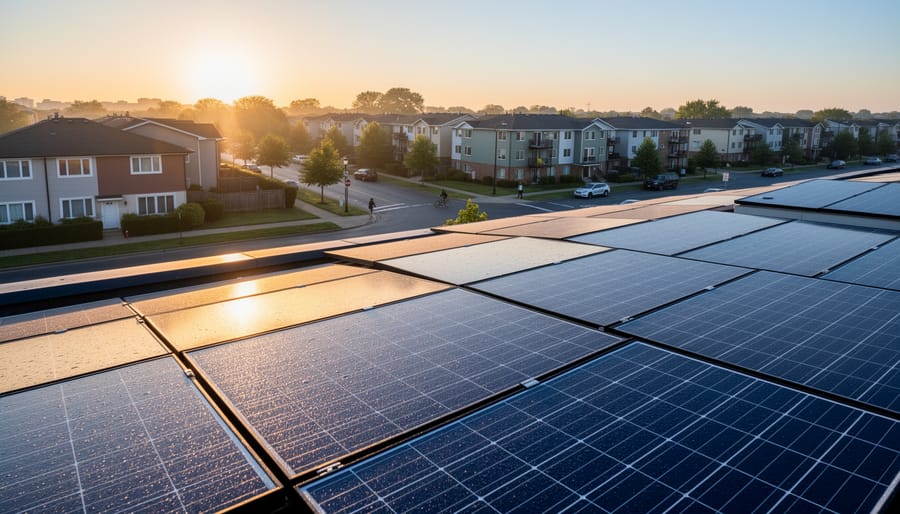
The Main Sources of Renewable Power
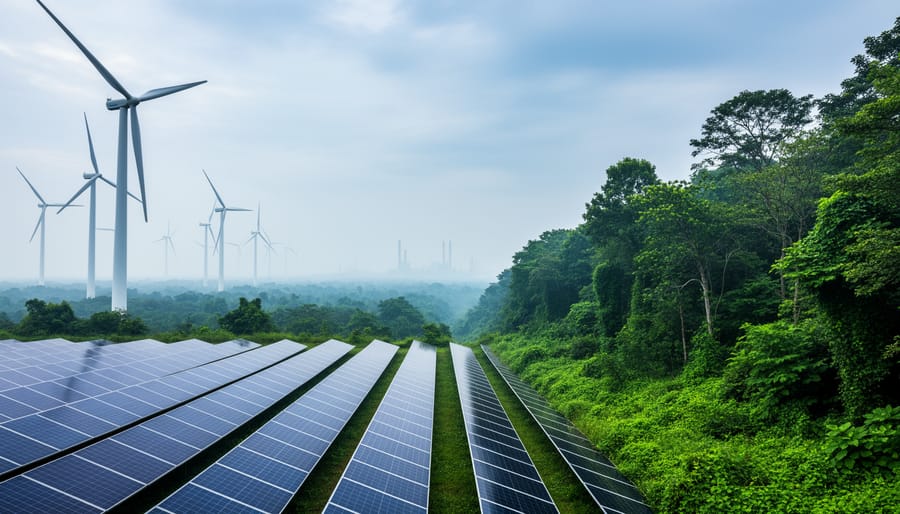
Five main renewable sources do most of the work in energy development today, and each has a distinct role. Choosing well means matching the technology to the local resource, not picking a favorite.
| Energy source | How it works | Best-suited settings | Key consideration |
|---|---|---|---|
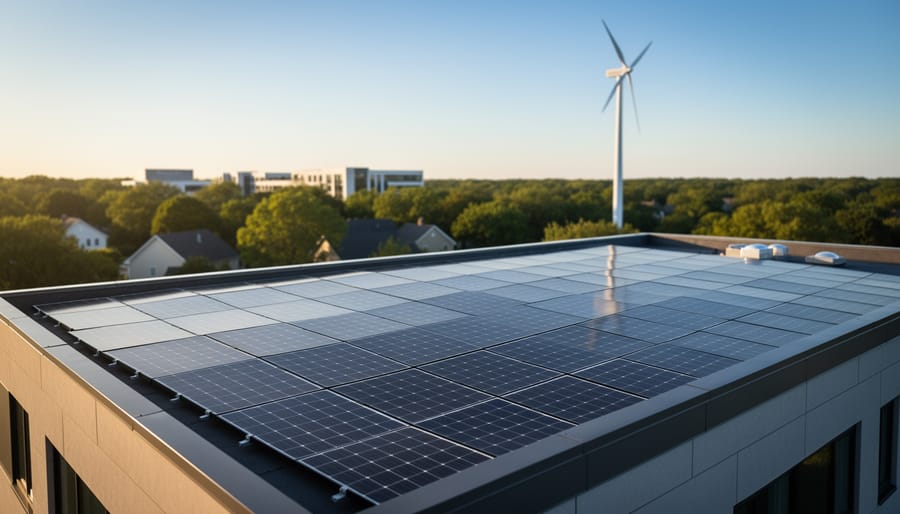
| Solar | Photovoltaic panels convert sunlight directly into electricity | Rooftops, open land, sunny regions | Output drops at night and in cloudy weather |
| Wind | Turbines turn moving air into electricity | Open plains, coastlines, offshore waters | Needs consistent wind and careful siting |
| Hydropower | Flowing or falling water spins a generator | Rivers with steady flow and elevation change | Dams can alter river ecosystems |
| Geothermal | Underground heat produces steam or warm water | Regions with accessible volcanic or tectonic heat | Strong resource, but geographically limited |
| Bioenergy | Organic material is burned or converted into fuel | Areas with agricultural or forestry residues | Sustainability depends on where the feedstock comes from |
Solar and wind are the fastest-growing options because costs have fallen steadily and projects can be built relatively quickly. Their output varies with weather, which is why they work best as part of a mixed system.
Hydropower and geothermal can deliver steady, round-the-clock power, though both depend heavily on geography. Hydropower also raises real questions about river health, a concern we return to later when discussing responsible siting.
Bioenergy deserves the most careful scrutiny. Using waste materials like crop residues can reduce emissions, but growing crops purely for fuel can create new pressures on land and water.
No single source solves everything. The strongest energy plans combine several, drawing on each where it performs best.
From Idea to Working Project
Every renewable project starts long before the first turbine or panel goes up. It begins with screening, where developers and researchers look at wind and solar resources, land availability, and nearby grid capacity to see whether a site is worth pursuing. Walking through project development from screening to operation shows how many decisions come well before construction.
Next comes environmental and community review. This is where independent research earns its keep, because studies of wildlife, water, and land use can shape the layout or even move a project to a better location. Neighbors can weigh in here too, and their input often improves designs.
Permitting follows. Clear, predictable rules help good projects move forward while keeping protections in place. Then come financing, construction, and connection to the grid, each with its own approvals and testing.
Finally, the project enters operation, and the work continues through monitoring and maintenance. Research, sound policy, and community voices all matter at every step, and projects that include them tend to be stronger and more widely supported.
Why Developing Renewable Energy Matters for People and Planet
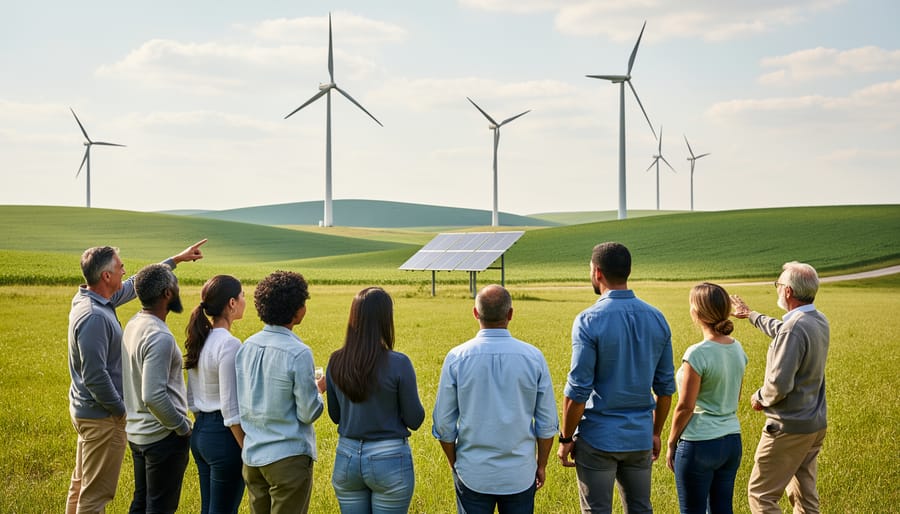
Cleaner Air, Water, and Land
Burning coal, oil, and gas does more than warm the climate. It sends fine particles and nitrogen oxides into the air we breathe, and those pollutants are linked by health agencies to asthma, heart disease, and other serious conditions. Wind and solar generation produce no combustion emissions while they operate, so every fossil-fuel plant they replace means fewer pollutants drifting into neighborhoods, especially those closest to power stations.
The benefits reach our water, too. Thermal power plants, including coal and gas facilities, draw large volumes of water for cooling and can return it warmer to rivers and lakes, which stresses fish and other aquatic life. Coal operations also leave behind ash and runoff that can threaten groundwater and streams. Solar panels and wind turbines need very little water to generate electricity, which takes real pressure off local waterways, an important gain in regions already facing drought or competing demands for water.
Land matters as well. Fuel extraction scars landscapes, while well-sited renewable projects can share space with farming, grazing, and habitat restoration. Cleaner energy, in other words, supports healthier ecosystems from the sky to the soil to the stream, a connection at the heart of environmental research and advocacy.
Economic and Community Benefits
Renewable energy projects can change the economics of a place, and the benefits reach well beyond the power they produce. Building and running solar farms, wind installations, and similar facilities creates jobs in construction, engineering, maintenance, and grid work. Many of those jobs are local, and they often draw on skills that workers in traditional energy trades already have.
Communities also gain new revenue. Landowners who host turbines or panels can earn steady lease income, and local governments collect property taxes that help fund schools, roads, and public services. Some towns share ownership through cooperatives or municipal projects, which keeps energy spending circulating at home instead of flowing out of the region.
Then there’s resilience. Pairing local generation with battery storage can keep critical services like clinics and shelters running during outages, and it shields households from sharp swings in fuel prices. Remote and island communities have shown this especially well, cutting their dependence on shipped-in diesel.
These gains rarely happen by accident. They tend to appear where residents are invited in early, and community action helps ensure projects deliver lasting local value.
The Real Barriers, and How to Move Past Them
Grid Readiness and Energy Storage
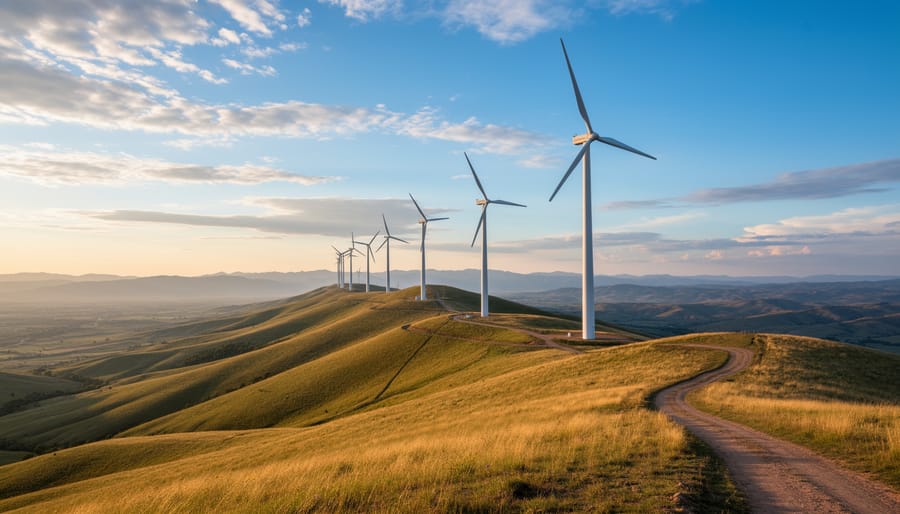
Wind and solar don’t run on a schedule. The sun sets, and the wind drops. That variability is real, but it is also a well-understood engineering challenge, and communities have several proven tools for managing it.
The first is energy storage. Batteries can soak up extra solar power at midday and release it in the evening when demand peaks. Pumped hydropower storage works on a similar idea: water is pumped uphill when electricity is plentiful, then released through turbines when it’s needed. Both let clean power be used long after it was generated.
The second is a smarter grid. The grid is simply the network of lines and equipment that carries electricity from where it’s made to where it’s used. “Smart” grids add sensors and software so operators can see supply and demand in real time and adjust quickly. Stronger long-distance transmission also helps, since it can move surplus power from a windy region to a calm one.
The third is diversity. A mix of solar, wind, hydropower, geothermal, and bioenergy smooths out the gaps, because these sources peak at different times. Geothermal and hydropower, for example, can provide steady output while solar and wind fluctuate.
Together, these tools turn variable resources into a dependable system. Research into better storage and grid design continues to make that system more affordable and more resilient.
Siting Responsibly to Protect Nature
A wind farm or solar array can be built in the wrong place, and the cost shows up in the landscape. Migratory birds can collide with turbines on flyways, wetlands can lose their natural drainage, and streams can silt up when construction crews strip vegetation. None of this is inevitable. Careful environmental assessment, done early, is how developers avoid these outcomes.
A good assessment starts with baseline research. Ecologists survey which species live on a site, where they nest or feed, and how water moves across the land. That evidence shapes the design. A turbine layout can shift away from a raptor corridor, a solar field can sit on previously disturbed ground instead of intact habitat, and access roads can be routed to keep runoff out of nearby waterways.
The work doesn’t stop once construction begins. Monitoring shows whether the protections are working, and transparent mitigation reporting lets communities check that promises made during planning are kept. When the data shows a problem, operators can adjust, for example by pausing turbines during peak migration.
Research-led siting also builds trust. When people see that nature was considered from the start, projects tend to move forward with fewer delays and stronger local support.
How CERI Renewable Energy Development Puts Research and Advocacy to Work
Renewable energy does not develop in a vacuum. It depends on good science, sound policy, and people who hold decision-makers to their promises. That is where the Center for Environmental Research and Innovation (CERI) focuses its work, and where CERI Renewable Energy Development turns a broad mission into practical action.
Research is the starting point. CERI conducts independent research and supports technological innovation aimed at cleaner energy systems. Independence matters because communities and governments need findings they can trust, not conclusions shaped by whoever is paying for the study. Good research helps answer the questions that decide whether a project succeeds: Which technologies suit a particular region? How can they be paired with storage and grid upgrades? What are the environmental trade-offs, and how can they be reduced?
Evidence then feeds into advocacy. CERI uses what the research shows to press for policies that speed up responsible development, from clearer permitting to fair incentives and transparent environmental review. Policymakers are far more likely to act when they can see the data behind a recommendation, and CERI’s approach is to put that evidence in front of them in plain, usable terms. Readers who want to see how this thinking translates into planning can explore CERI’s energy strategies which also explain how people can take part.
Accountability is the third piece. Cleaner energy goals only mean something if they are met, so CERI works to hold governments and polluters responsible for the commitments they make and the harm they cause. That scrutiny keeps progress honest and helps ensure that renewable development is not just announced, but delivered.
Finally, no single country can solve a shared climate challenge alone. CERI collaborates internationally, which allows lessons learned in one place to inform decisions in another. A grid solution that works in one region, or a siting approach that protects wildlife in another, can travel across borders when researchers and advocates share what they know.
Together, these four strands, research, advocacy, accountability, and collaboration, show how a clean energy transition moves from ambition to reality. They are also an invitation: informed individuals and communities are a vital part of the same effort.
What Strong Renewable Energy Policy Looks Like
Good policy turns good intentions into projects that actually get built. Research and experience point to a handful of principles that help renewable energy development move faster without cutting corners.
First, clear permitting timelines. Developers and communities both benefit when everyone knows how long a review will take and what is required at each step. Predictable schedules reduce costs and delays, and they free up agency staff to focus on the substantive questions instead of chasing paperwork.
Second, fair and stable incentives. Tax credits, feed-in tariffs, and procurement targets work best when they are transparent and last long enough for investors to plan around. Sudden reversals make financing harder, which raises costs for everyone who pays an energy bill.
Third, transparent environmental review. Open assessments that examine effects on wildlife, habitats, and water resources build public trust and lead to better siting choices. When the evidence is published and the reasoning is easy to follow, projects face fewer surprises and fewer legal fights later on.
Fourth, real community participation. Residents, Indigenous communities, and local businesses understand their landscapes in ways no desktop study can capture. Early consultation, along with shared ownership or local benefit agreements, turns neighbors into partners rather than bystanders.
Finally, strong oversight keeps promises honest. Public reporting, independent monitoring, and climate accountability measures help ensure that targets are met and that those responsible for emissions answer for their commitments.
None of these principles belongs to a single political viewpoint. They are practical tools that countries and regions of every stripe have used to expand clean energy responsibly. Citizens can help shape them, too. Informed advocacyfrom attending public hearings to supporting evidence-based research, is one of the most effective ways to move good policy from paper to practice.
Frequently Asked Questions About Renewable Energy Development
Curious about how this all works in practice? Here are straightforward answers to questions people often ask about developing renewable energy.
How long does a renewable energy project take?
Timelines vary widely with size, location, and permitting. A rooftop solar array can go live in weeks, while a large wind or hydropower project may need several years for research, environmental review, financing, and construction.
Can renewables power an entire community?
Yes, when they are part of a well-planned mix. Combining sources like solar and wind with energy storage and a modern grid helps meet demand even when the sun sets or the wind slows.
Do renewable projects harm wildlife and water resources?
They can if poorly sited, which is why careful environmental assessment matters. Research-led planning helps projects avoid sensitive habitats and protect waterways.
How can I get involved in renewable energy development?
Start by learning what energy options exist locally, then take part in community planning meetings and public comment periods. You can also support evidence-based policy and the organizations working to advance it.
Questions like these are a good sign. They show that people want to understand the process, and informed communities are better equipped to shape projects that serve them well.
The shift to renewable energy isn’t something happening far away, it’s being decided in town halls, planning offices, and utility meetings near you. That means ordinary people have more influence than they often realize.
Start close to home. Find out where your electricity comes from and which clean options your community or utility already offers, from rooftop solar to community wind or green power programs. A little curiosity can reveal opportunities you didn’t know existed.
Then show up. Local planning meetings and public comment periods are where siting, permitting, and project design take shape. Thoughtful, informed voices help ensure that projects protect nature and share their benefits fairly with the people who live nearby.
Support policy that rests on evidence, too. Clear permitting timelines, transparent environmental review, and fair incentives all speed up responsible development, and they gain strength when residents, researchers, and leaders push for them together.
Finally, stay connected with the Center for Environmental Research and Innovation. Follow CERI’s research and advocacy, share what you learn, and support the work of turning sound science into practical action.
Every clean project began with someone asking what was possible. With research guiding the way and communities leading it, a cleaner, more resilient energy future is well within reach, and you can help build it.