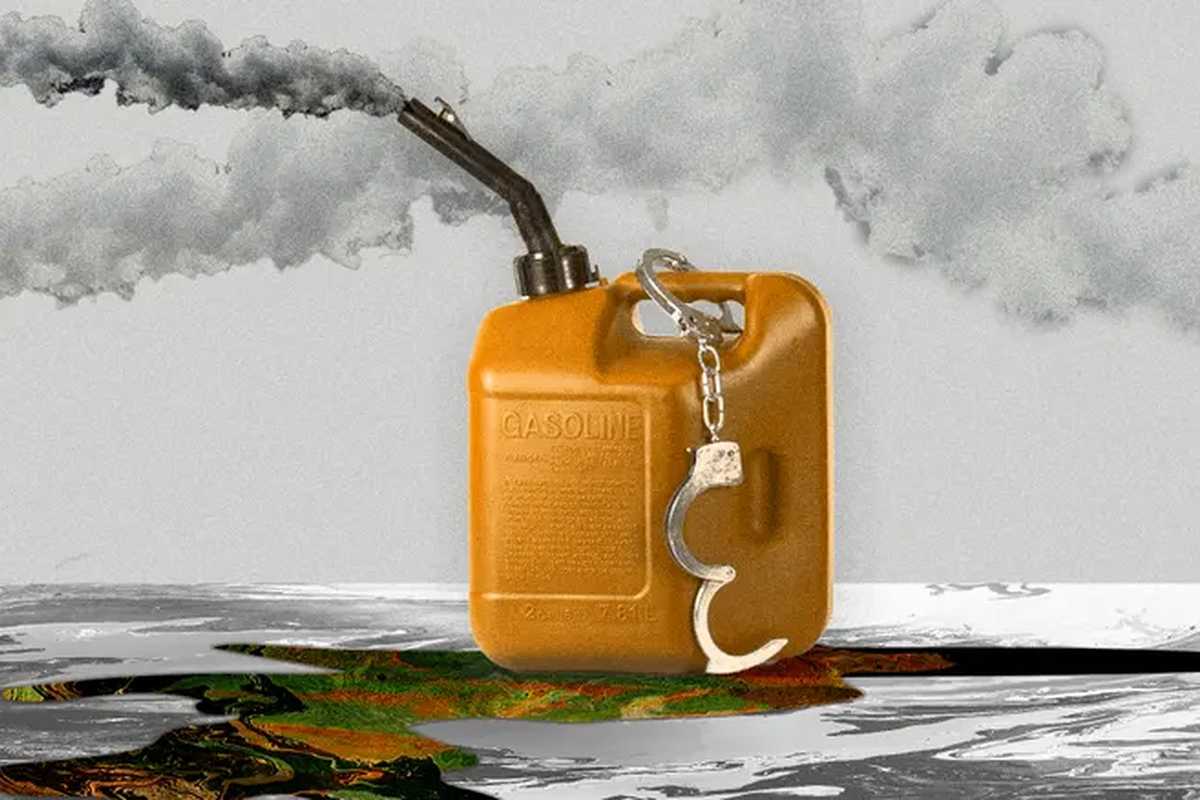

“Climate corporate” refers to the growing set of rules, disclosures, and oversight mechanisms that hold companies responsible for cutting their greenhouse gas emissions. In practice, it means a business must measure its emissions, set reduction targets, report progress honestly, and answer to regulators, investors, and the public when it falls short.
That’s the core of climate accountability at the company level, and it matters more than most people realize. A pledge on a sustainability webpage costs nothing. A legal duty to disclose emissions, back targets with evidence, and face consequences for misleading claims changes behavior.
The details vary by jurisdiction, but the questions stay the same. Which companies are covered? What exactly must they do? What rights do employees, shareholders, communities, and customers have to ask questions or raise concerns? And where can you turn if something looks wrong?
This guide answers each of those in plain language, with no legal background required. You’ll find who the rules typically apply to, what compliance involves, how oversight works, and where to get help. Whether you’re a policymaker shaping requirements or a citizen who wants to understand them, you’ll leave knowing how corporate climate commitments are meant to become real results, and how you can help make sure they do.
What Corporate Climate Mitigation Compliance Actually Means

Voluntary Pledges Versus Binding Requirements
A company can announce a net-zero goal, join an industry climate coalition, or publish a sustainability roadmap without any outside body requiring it to follow through. These voluntary pledges signal ambition, but they usually carry no penalty if targets are missed or quietly dropped. Binding requirements work differently. Laws and regulations set clear duties, such as measuring emissions, filing disclosures, or complying with carbon pricing, and regulators can enforce them with fines or corrective orders.
That gap matters because accountability depends on what can be checked and enforced. Credible mitigation reporting turns a pledge into something the public, investors, and auditors can test against real data. Claims made to consumers also face limits, as the FTC environmental marketing claims guidance shows in one jurisdiction. When pledges outpace enforceable rules, transparency becomes your strongest tool.
Who Oversees Compliance
No single body polices corporate climate claims. Oversight is shared, and each overseer looks at something different.
Environmental regulators typically focus on emissions itself. They set reporting rules, run carbon pricing or emissions trading programs, and can require corrections or issue penalties when data is wrong or missing.
Securities and financial regulators approach it from the investor side. If a listed company publishes climate disclosures or targets, these regulators check that the information is accurate and not misleading, because investors rely on it to make decisions.
Independent auditors and assurance providers sit between a company and the public. They test emissions data and methods, then give an outside opinion on whether the numbers hold up.
Courts step in when disputes arise, whether over a regulator’s decision, a misleading claim, or a company’s failure to meet a legal duty.
Civil society watchdogs, including researchers, nonprofits, and journalists, compare company statements with public data and flag gaps. They have no enforcement power, but their scrutiny often prompts regulators and investors to act.
Which of these bodies apply to a company depends on where it operates.
Which Companies Are Covered: Eligibility and Scope Requirements
Whether a company has to measure and report its emissions usually comes down to a handful of tests. Regulators rarely cover every business. They draw lines, and a company is pulled in when it crosses one or more of them.
Size and revenue are the most common lines. Many rules apply only to larger firms, measured by employee numbers, annual turnover, or balance sheet assets. Emissions volume is another trigger. Facilities or companies that emit above a set amount of greenhouse gases often face stricter duties, such as reporting every year or joining a carbon pricing scheme.
Sector matters too. Energy producers, heavy industry (steel, cement, chemicals), transport, and agriculture tend to face closer scrutiny because they account for a large share of emissions. Listing status adds another layer: companies traded on public stock markets often have to disclose climate information to investors, while private firms may be exempt. Finally, geography counts. Rules can apply based on where a company is incorporated, where it operates, or where it sells its products.
| Coverage trigger | How it commonly works | What to check |
|---|---|---|
| Company size | Employee, revenue, or asset thresholds decide who must report | Whether the company exceeds the local thresholds |
| Sector | High-emitting industries face tighter or earlier requirements | Whether the business falls in a named sector |
| Listing status | Publicly traded firms often owe disclosures to investors | Which stock exchange or securities rules apply |
| Emissions level | Facilities above a set emissions amount must report or take part in pricing schemes | Reported facility or company emissions |
| Supply chain role | Large customers ask suppliers for emissions data | Contract terms and buyer requirements |
Supply chains deserve special attention. A small manufacturer may fall below every legal threshold yet still be asked for emissions data by a larger customer that is covered. In practice, the rules can reach far beyond the companies named in the law.
Because thresholds and definitions differ from one country and region to the next, the most reliable step is to look up the rules where a company actually operates. Check the relevant environmental or securities regulator, and you will quickly see who is in scope and what they owe.
Corporate Obligations and Stakeholder Rights
What Companies Are Typically Required to Do
Covered companies are generally expected to do more than announce good intentions. They have to measure, disclose, plan, and prove their work. The exact duties depend on the jurisdiction, but the core obligations look similar almost everywhere, and how reporting works sits at the center of them.
- Measure emissions: Calculate greenhouse gas output using recognized methods, such as a standard inventory of direct (Scope 1) and purchased-energy (Scope 2) emissions.
- Disclose results: Publish emissions figures and methods so outsiders can check them.
- Set targets and transition plans: Commit to specific reduction goals and explain the steps and timelines for reaching them.
- Verify independently: Where required, have a third party review the numbers and confirm they are reliable.
- Keep records: Retain the data, calculations, and supporting documents regulators or auditors may request.
- Avoid unsubstantiated claims: Make only environmental statements the company can back with evidence.
A few terms are worth unpacking. Scope 1 emissions come from sources a company owns or controls, like boilers and vehicles, while Scope 2 emissions come from the electricity or heat it buys. The EPA Scope 1 and 2 guidance explains how organizations build these inventories. A transition plan is simply a roadmap showing how a business will cut emissions over time, and independent verification, sometimes called assurance, is the outside check that keeps the numbers honest.
What the Public, Investors, and Communities Can Expect and Request
Stakeholders are not just bystanders in corporate climate accountability. In many places, the rules give people real tools to ask questions and push for change, though the details depend on where a company operates.
The most basic expectation is access. Where disclosure rules apply, companies must publish emissions data, targets, and transition plans in public filings or sustainability reports. Some jurisdictions also run central databases, so you can compare companies without digging through lengthy documents.
If something looks wrong, many regulators accept comments, tips, or formal complaints about misleading environmental claims or missed reporting duties. These submissions can prompt reviews, requests for evidence, or corrective action, so clear and well-documented concerns carry weight.
Investors have additional channels. Shareholders can raise questions with management, join collective engagement efforts, file or support resolutions, and vote on matters such as board oversight of climate risk. Even small holders can use their votes to signal expectations.
In some jurisdictions, communities, consumers, and advocacy groups can go further, using the courts to challenge misleading climate claims or alleged inaction. Whether legal standing exists, and who can use it, varies widely.
Because rights differ from one legal system to the next, start by learning which rules apply to the company in question and the places where it does business. That small step makes every other form of engagement more effective.

How Compliance and Oversight Work Step by Step

Most compliance regimes follow the same basic loop, even though the details differ by country and sector. Understanding it helps you see where oversight happens and where outsiders can step in.
Step one is working out whether the rules apply. A company checks its size, sector, emissions volume, and where it operates against the relevant thresholds. This sounds simple, but groups with many subsidiaries or complex supply chains often need legal and technical review to get it right.
Next comes the emissions baseline. The company measures its greenhouse gas output using recognized accounting methods, usually covering its own operations and the energy it buys, and sometimes its wider value chain. The baseline matters because every later target and claim is judged against it. A weak baseline makes progress look better than it is.
With a baseline in hand, the company sets targets and a transition plan. Good plans name the year, the scope of emissions covered, and the specific steps planned, such as efficiency upgrades, cleaner energy, or process changes. Vague ambitions are harder to hold anyone to.
Then the company reports. It publishes its results in a regulatory filing, a sustainability report, or a public database, depending on the rules. This is the first major oversight checkpoint, because regulators, investors, and the public can all read the numbers.
Verification is the second checkpoint. Where required, an independent auditor or assurance provider tests whether the data and methods hold up. Verified figures carry far more weight than self-reported ones.
Finally, the company responds to findings. Regulators or auditors may flag errors, gaps, or unsupported claims, and the company is expected to correct them and adjust its approach before the next cycle begins.
When companies fall short, consequences tend to escalate. Common responses include:
– Requirements to correct and resubmit reports
– Formal corrective action plans with deadlines
– Financial penalties for missed filings or inaccurate data
– Public scrutiny from investors, media, and watchdogs
Often, the reputational pressure that follows public disclosure is as powerful as any fine.
Where to Get Help and How to Take Action
Holding companies accountable doesn’t require a law degree. It starts with knowing where to look and who to ask.
Begin with official sources. National and regional environmental regulators and securities regulators usually publish the rules that apply to companies in their jurisdiction. Many also run public portals where you can search emissions reports and climate disclosures. Standard-setting bodies explain the measurement and reporting methods companies are expected to follow, which helps you judge whether a report is credible. University and nonprofit research centers often turn this material into plain-language analysis and independent data. For legal questions, environmental law clinics and legal aid organizations can explain what options exist. Many policy and law centers also offer guidance on how to take part in advocacy. If you want to understand how a rule gets written and tested, learning what an environmental policy lawyer does is a good place to start.
What you can do depends on who you are.
– Individuals: Read a company’s climate disclosures before you buy or invest. Contact regulators if a claim looks misleading. Use your voice as a consumer or shareholder, including at shareholder meetings, to ask how targets will be met.
– Policymakers: Strengthen reporting requirements, fund enforcement, and keep emissions data public and easy to compare.
– Organizations: Collaborate on monitoring, share methods and findings, and help communities interpret the data that affects them.
Pick one company you rely on and find out what it has disclosed. Then ask the next question.
Common Questions About Corporate Climate Accountability
Readers often ask the same handful of questions when they first look into how companies are held to account for their emissions. These short answers reflect how oversight generally works, though details vary by country and region.
Are company climate pledges legally binding?
Usually not. Voluntary targets are promises the company sets for itself, while legal duties come from regulations on reporting, carbon pricing, or consumer protection. A pledge can still create legal risk if a company makes false or unsupported statements about it.
How is greenwashing identified?
Regulators, courts, and watchdogs look for claims that are vague, unsupported, or contradicted by a company’s own data. Common warning signs include “carbon neutral” labels with no clear method, targets that exclude most emissions, and missing evidence.
Do small businesses have to comply?
Many rules apply only above certain size, revenue, or emissions thresholds, so smaller firms are often exempt directly. They can still be affected indirectly when larger customers ask for emissions data from their suppliers.
How is emissions data verified?
Companies calculate emissions using recognized accounting methods, and in many places independent auditors or assurance providers review the results. Where assurance is not required, regulators and researchers may still check figures against other public information.
If you suspect a misleading claim, start by keeping a record of it: a screenshot, an advertisement, or the page of a report where it appears. You can then raise it with the advertising, consumer protection, or securities regulator in the place where the claim was made, and many offer online complaint forms. Shareholders can also raise concerns directly with a company’s board or at its annual meeting.
Checking a company’s published disclosures against its public claims is one of the simplest ways to put this oversight to work.
Real climate progress from companies does not happen by accident. It happens when clear rules meet honest measurement and when someone is watching the results. That is what compliance and oversight deliver, and both are practical, achievable routes to cutting emissions at scale.
You have more power in this process than you might think. Start by looking up the disclosure rules that apply where you live and where the companies you rely on operate. Read their emissions reports and transition plans, and notice whether the claims are specific, verified, and consistent over time. If something looks misleading or incomplete, use the channels available to you: contact a regulator, raise questions as a customer or shareholder, or support groups that monitor corporate claims.
Transparency works best when people use it. Every informed question strengthens the case for evidence-based accountability, and every company that knows it is being watched has a stronger reason to follow through on its pledges. Take the first step today.