
A certified sustainability practitioner is a professional who has earned a formal credential showing they can plan, measure, and improve an organization’s environmental, social, and economic performance. They translate big sustainability goals into practical steps: tracking emissions, reducing waste, engaging communities, and reporting results in ways stakeholders can trust.
The role matters because good intentions rarely produce results on their own. Evidence, accountability, and a clear method do. A practitioner brings all three, grounding decisions in data rather than guesswork and connecting daily operations to long-term outcomes. That approach mirrors the three pillars that keep sustainability work balanced and durable.
You’ll find these professionals in corporations, municipalities, nonprofits, universities, and development agencies. Their titles vary, but their purpose is consistent: help people act on sustainability with confidence and credibility.
This guide explains what the role involves, the skills it demands, where practitioners work, and whether certification is worth pursuing or hiring for. It also outlines practical first steps, so you can move from curiosity to action. Credential requirements differ by issuing body, so confirm current details directly with the organization that administers the certification you’re considering.
What a Certified Sustainability Practitioner Actually Does
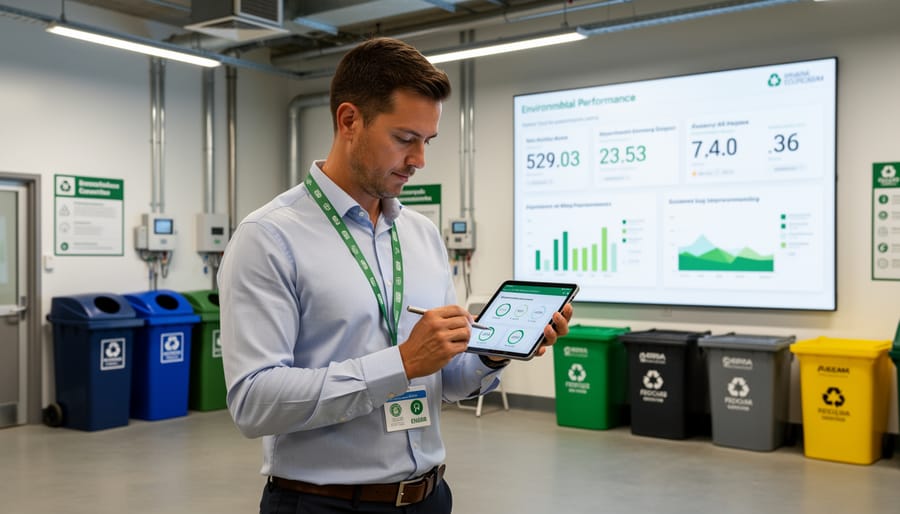
Where Practitioners Work: From Wastewater Utilities to Government Agencies
Certified sustainability practitioners work wherever environmental decisions meet real-world operations. The setting changes, but the goal stays the same: use evidence to reduce harm and use resources more wisely.
Consider a wastewater utility. A practitioner might review how the plant treats and discharges flows, then identify where nutrient or contaminant loads can be cut. Often the answer is a mix of process adjustments, better monitoring, and clearer reporting. Small operational changes can add up to meaningful improvements for the rivers and communities downstream.
In a municipal government, the work looks different. A practitioner may help a city map its water use, energy demand, and waste streams, then turn those findings into priorities the council can actually act on. They translate technical data into plain choices, which helps elected officials and residents understand what is at stake and what is possible.
Practitioners also support research institutions and nonprofits. Here they help design data collection, check that methods hold up, and share results in ways that policymakers can use. That bridge between science and decision-making is where many environmental advances succeed or stall.
You will also find them in private firms, consultancies, and community organizations, helping teams set realistic targets and track whether they are met. Across all these settings, the practitioner’s value is practical: finding the problem, measuring it honestly, and guiding people toward solutions that last.
How CERI Sustainable Practices in Global Development Connect to the Credential
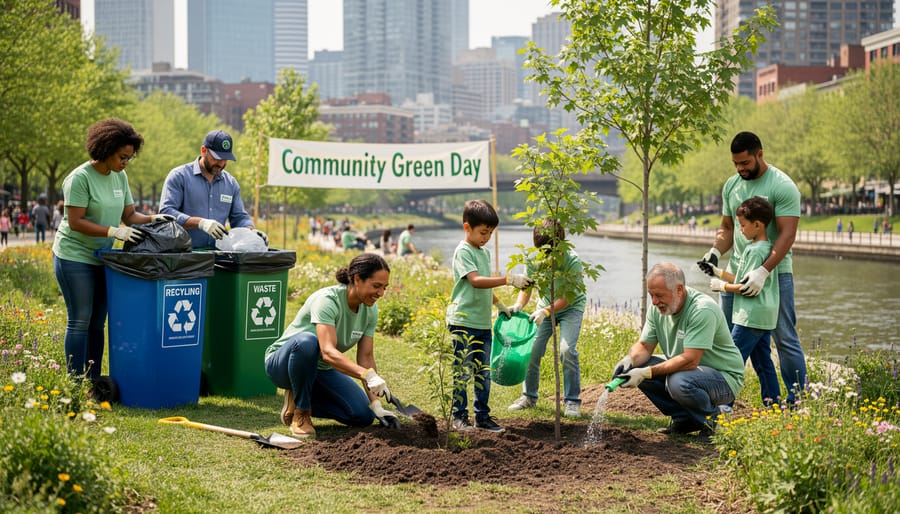
CERI Sustainable Practices in Global Development rests on a simple idea: good science only matters when it changes what people do. That is exactly the gap a certified sustainability practitioner is trained to close. Research can tell us which pollutants threaten a watershed or which innovations cut resource waste, but someone still has to turn those findings into policy, budgets, and daily routines.
Think about the skills that bridge that gap. Evidence-based decision making means choosing actions because the data supports them, not because they sound appealing. Accountability means tracking results honestly and reporting them in a way others can check. Community engagement means listening to the people most affected by environmental decisions, and international collaboration means sharing what works across borders, since water, air, and ecosystems rarely stop at a boundary line.
These are the same values that shape CERI’s research-driven, advocacy-oriented approach. A credentialed practitioner brings a shared standard of competence to that work, which helps organizations, agencies, and neighborhoods trust that the numbers behind a sustainability claim are sound.
The payoff shows up on the ground. When research is paired with practical skill and local participation, goals stop being slogans and start producing real environmental wins such as cleaner water, reduced waste, and stronger protection for shared resources.
In this sense, practitioners are translators. They take sound science and innovation and render them into plans that policymakers can adopt and communities can carry out. That translation is where global development goals become measurable progress, and it is why the credential matters well beyond the person who holds it.
Core Skills and Knowledge a Certified Practitioner Brings to the Table
A certified practitioner is more than someone who cares about the environment. The credential signals a working toolkit, and five competencies come up again and again across sustainability programs.
Environmental science fundamentals come first. Understanding how ecosystems, water cycles, and pollution pathways work lets a practitioner spot where a problem actually starts. Without that grounding, fixes tend to treat symptoms instead of causes.
Data work matters just as much. Practitioners collect and report sustainability metrics, which are simply measurable indicators, such as energy used per unit of output or the pollutant load leaving a treatment plant. Numbers turn good intentions into progress you can verify.
Regulatory and policy literacy keeps projects grounded in reality, because environmental rules shape what is possible and what is required. Project planning then turns goals into schedules, budgets, and clear responsibilities. Communication ties it all together, since even the best analysis does nothing if councils, colleagues, and neighbours can’t understand it.
| Skill area | What it looks like in practice | Impact it supports |
|---|---|---|
| Environmental science | Tracing a pollution source back through a watershed | Cleaner water and healthier ecosystems |
| Data collection and reporting | Tracking waste, energy, or emissions over time | Lower waste and credible results |
| Regulatory and policy literacy | Mapping a project against local environmental rules | Stronger compliance and smarter decisions |
| Project planning | Setting milestones, budgets, and roles | Improvements that get finished and last |
| Communication | Explaining findings to officials and communities | Broader support and informed action |
Skills like these also open the door to policy and advocacy work, where evidence-based voices are needed most. The strongest practitioners are the ones who can move from a spreadsheet to a public meeting with the same clarity.
Why Certification Builds Trust and Accountability
When an organization says it is cutting emissions or protecting a watershed, how does anyone know the claim holds up? A recognized credential is one answer. It gives employers, communities, and policymakers a shared standard of competence, so they aren’t relying on a résumé line or a promise alone.
For employers, a certified practitioner signals that someone has been assessed against defined knowledge and ethical expectations. That makes hiring and procurement decisions easier, especially when sustainability work affects budgets, permits, and public reputation. For communities, certification offers reassurance that the person reviewing a wastewater plan or a local project has been held to recognized practice. Policymakers gain a clearer benchmark when they draft requirements or evaluate whether reported progress is credible.
Credentials also strengthen reporting. Practitioners trained in consistent methods are more likely to document how data was gathered, what was measured, and where uncertainty remains. That transparency is a practical defense against vague or misleading environmental claims, because a claim backed by traceable methods is far easier to test than a slogan.
This is where the credential connects to CERI’s accountability theme. Verifiable, repeatable practice helps hold polluters and institutions to higher standards, and it supports broader climate accountability by giving regulators, journalists, and citizens evidence they can examine.
Certification is not a guarantee of perfect judgment, and it cannot replace oversight. Its real value is raising the baseline, so good work is easier to recognize and weak claims are harder to hide.
How to Start Your Path Toward Becoming a Certified Sustainability Practitioner
Getting started is less complicated than it looks. A clear sequence of steps will take you from curiosity to credential.
Start with your focus area. Sustainability is broad. Do you care most about water and wastewater, energy use, corporate reporting, or public policy? Your answer shapes which credential fits you and which skills to build first. A utility operator and a city planner may need very different training.
Next, research the recognized credentialing bodies that serve your field. Compare what each one requires: education, years of experience, an exam, or continuing education. Look for organizations with a transparent process and a good reputation among employers and agencies in your sector.
Then build your foundation. Brush up on environmental science basics, data tracking, and how regulations work in your region. Free courses, public agency resources, and open research are good places to begin. You don’t need to master everything at once. Steady, focused learning adds up.
Practical experience matters just as much as study. Join a community cleanup, volunteer with a watershed group, or help a local organization measure its waste or energy use. Real projects teach you how to gather evidence, work with stakeholders, and report results, which are the habits the credential is meant to confirm.
When you feel ready, prepare for the assessment. Review the published competency areas, practice applying them to real scenarios, and study with peers if you can.
One important caution: requirements, fees, and exam schedules change. Always confirm the current details directly with the credentialing organization rather than relying on third-party summaries.
Finally, don’t wait for a certificate to make a difference. Attend a local council meeting on environmental planning, support a nearby restoration project, or share what you’re learning with your neighbors. Every action builds the experience, and the credibility, that sustainable change depends on.
Common Questions About Sustainability Certification
Many readers have the same handful of questions before they commit to a credential. Here are straight answers, grounded in what is broadly true across sustainability credentialing rather than the rules of any single program.
Do you need a science degree to become a certified sustainability practitioner?
Not always. Many credentials welcome people from varied backgrounds, such as planning, policy, business, or community work, though some require specific education or experience. Check the requirements of the credentialing body you are considering.
How is certification different from a degree?
A degree builds broad academic knowledge over several years, while a certification typically confirms that you meet a defined standard of practical competence. Many professionals pursue both, since one deepens understanding and the other demonstrates applied skill.
Can individuals outside large companies benefit?
Yes. Consultants, nonprofit staff, educators, local officials, and engaged community members can all use the same skills in measuring impacts, setting goals, and communicating results clearly.
How can practitioners support community and government initiatives?
They can help gather and interpret environmental data, support evidence-based policy discussions, and bring community voices into planning. That kind of work helps public programs stay transparent and accountable.
If one of these questions describes your situation, treat it as a starting point. The right credential depends on your goals, your experience, and the setting where you want to make a difference.
Certified sustainability practitioners do something the world needs more of: they take environmental knowledge and turn it into action people can see, measure, and trust. Their credential signals that the work behind a cleaner river, a more efficient utility, or a stronger policy rests on sound methods rather than good intentions alone.
That is the same spirit behind CERI Sustainable Practices in Global Development. When research, innovation, and advocacy work together, communities gain solutions that last, and institutions are held to higher standards. Progress becomes something we can verify, not just something we hope for.
You have a part to play in that. If this path appeals to you, start by exploring credentialing options and confirming current requirements directly with the organizations that offer them. Then look closer to home. Support evidence-based sustainability in your workplace, your local government, or your neighborhood, whether that means asking better questions about environmental claims or volunteering on a community project.
Finally, stay connected to CERI’s work. The more people who combine curiosity, accountability, and care for the natural world, the faster we can protect and restore it. Your next step, however small, helps build a healthier future for everyone.