
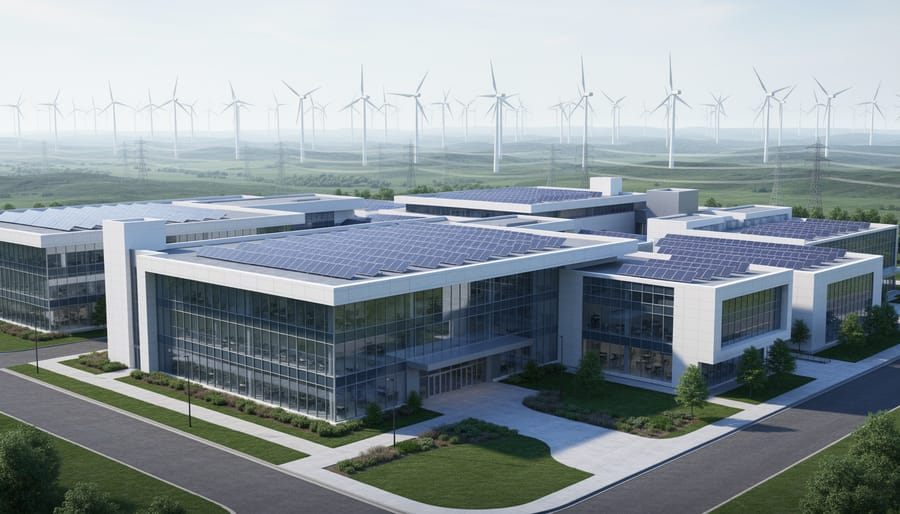
The U.S. Department of Energy (DOE) tackles climate change by funding the research, testing, and early deployment of clean energy technologies that cut greenhouse gas emissions. It doesn’t set most climate rules. That job falls largely to other agencies. What DOE does is build the toolkit: better batteries, cleaner power generation, more efficient buildings and factories, and the grid upgrades that tie them together.
Why does that matter? Because about three quarters of global greenhouse gas emissions come from energy use. Change how we make and use energy, and you change the climate trajectory. DOE sits at the center of that shift through its national laboratories, its applied research offices, and its financing and demonstration programs, which help promising technologies cross the gap between a lab result and a working product on the market.
Understanding how this machinery works gives you leverage. Policymakers can see where federal dollars move the needle. Academics can find collaboration points with the national labs. Organizations and individuals can spot programs, partnerships, and tools worth using. This guide breaks down what DOE does about climate change, how its efforts connect to broader energy strategy, and the practical steps you can take to put that knowledge to work.
What the DOE Does on Climate and Energy
Why Energy Sits at the Center of the Climate Challenge
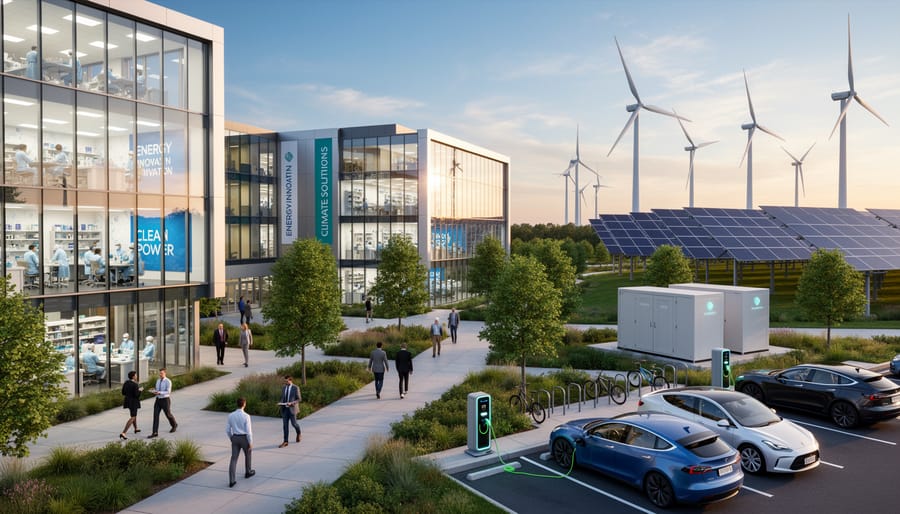
Energy is where most climate pressure begins. Burning coal, oil, and natural gas to generate electricity, heat buildings, power factories, and move vehicles releases carbon dioxide and other greenhouse gases. In the United States, the energy sector is widely recognized as the largest source of these emissions, a finding documented in the Environmental Protection Agency’s national greenhouse gas inventory and echoed by the Intergovernmental Panel on Climate Change.
That’s why a single lever won’t do the job. Research opens the door to cleaner generation and better storage. Infrastructure, from transmission lines to charging networks, determines whether new technology can actually reach people. Efficiency cuts the amount of energy needed in the first place, which lowers both emissions and costs.
Together, these three pieces explain why climate progress and energy policy are so closely linked. For current data, the DOE’s Energy Information Administration at is a reliable place to start.
The Tools the DOE Uses
The DOE doesn’t rely on a single lever. It combines several, each covering a different stage of a technology’s journey.
Research funding comes first. Grants support early-stage science that private investors often consider too risky, and the national laboratories turn that science into testable prototypes through partnerships with universities and companies.
Next come grants and loans, which help promising ideas cross the gap between a working prototype and a product people can buy. The DOE outlines its technology-to-market funding mechanisms on its official site. Demonstration projects then prove the technology works at real-world scale, which gives lenders and utilities the confidence to adopt it.
Finally, efficiency rules help set a baseline for the market. The DOE efficiency standards apply to many appliances and equipment, pushing manufacturers to build better products and cutting energy waste at scale.
Together, these tools move an idea from the lab bench to the showroom floor.
How DOE Climate Programs Move From Research to Real-World Impact
Key Focus Areas in DOE Climate and Energy Work
Across its research and deployment work, the DOE returns to a handful of durable themes. Specific programs and budgets change, but these focus areas keep showing up because they map directly onto where emissions come from.
Clean power generation means producing electricity without releasing large amounts of carbon. That includes solar, wind, hydropower, geothermal, nuclear, and bioenergy. Much of the DOE’s role is lowering costs and improving reliability so these options can compete in real markets.
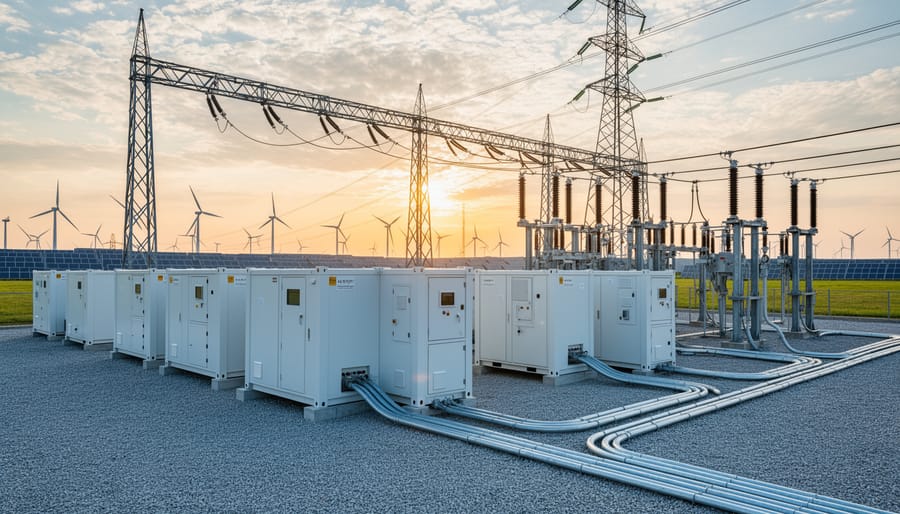
Energy storage holds electricity for later use. Batteries are the most familiar form, but pumped hydropower and thermal storage matter too. Storage helps smooth out the fact that the sun doesn’t always shine and the wind doesn’t always blow.
Grid reliability is about keeping power flowing as the system changes. Grid modernization covers upgraded transmission lines, smarter controls, and resilience against extreme weather, so new clean resources can connect without sacrificing dependability.
Building and industrial efficiency targets the energy wasted in homes, offices, and factories. Better insulation, efficient motors, and recovered waste heat all cut emissions and lower operating costs.
Transportation fuels and electrification addresses the largest emitting sector in the U.S. Work here spans electric vehicle batteries, charging infrastructure, and cleaner fuels for aviation and shipping, where plugging in is harder.
Carbon management refers to capturing carbon dioxide from industrial sources or the air, then using or permanently storing it. It’s often discussed for sectors that are difficult to decarbonize fully.
Together, these areas form a practical toolkit, and understanding them makes it easier to follow where federal energy investment is heading.
Funding, Legislation, and Why Priorities Shift
What the DOE can fund depends on three forces working together: Congress, the executive branch, and the laws already on the books.
Congress holds the purse. Each year, lawmakers pass appropriations bills that set how much money the department receives and often how it may be spent. A program can exist on paper yet receive little funding in a given year, or see its budget grow when lawmakers decide it’s a priority. Separate authorizing laws can also create new programs, set goals, or direct the department to pursue specific technologies.
The executive branch shapes how that money gets used. The President proposes a budget, appoints department leadership, and issues executive orders that signal where agencies should focus. Within the limits Congress sets, DOE leaders decide which funding opportunities to announce, which research areas to emphasize, and how quickly to move.
This is why priorities shift. A new administration or a new congressional majority can change emphasis, speed, or scale, even when the underlying research continues. Long-term projects at the national laboratories often outlast those swings, but the funding available for new efforts can change from one year to the next.
Because details move quickly, treat any summary, including this one, as a starting point. For the latest budget figures, active programs, and open funding opportunities, check and directly.
Where CERI Climate Change and Energy Strategies Fits In
Federal programs set the direction, but they rarely explain themselves. Picture a town council reading about a new Department of Energy funding round. The announcement is full of acronyms, eligibility rules, and deadlines. The council asks a simple question: does any of this apply to us, and will it work? That gap between a federal announcement and a local decision is where independent analysis earns its keep.
CERI Climate Change and Energy Strategies is built to close that gap. The work starts with independent research that translates technical policy into plain language, so communities, academics, and organizations can see what a program offers and what it expects in return. It doesn’t replace what the DOE does. It makes that work easier to understand and use.
Just as important is following the results. A program that looks strong on paper still has to cut emissions or energy use in practice. CERI tracks whether policies deliver measurable outcomes, which helps decision-makers separate promising approaches from ones that stall. That tracking feeds into climate accountability the practice of holding governments and polluters responsible for the commitments they make.
There’s also a practical, hands-on side. CERI promotes wastewater and environmental innovations that lower the energy needed to treat and move water, a quiet but significant source of emissions for many municipalities. For a community weighing federal efficiency support, these examples show what the technology can do in real facilities.
The result is a clearer path from policy to action, grounded in evidence rather than headlines.
How Communities, Organizations, and Policymakers Can Engage
Federal climate and energy policy can feel distant, but it moves faster when people who understand it show up. Here are practical ways to engage, whether you represent a neighborhood group, a utility, a campus, or a government office.
Track announcements and funding opportunities. Program priorities and budgets shift over time, so make a habit of checking and the federal grants portal for current calls for proposals. Set up email alerts for the topics that matter to you, such as efficiency, storage, or grid upgrades. Many funding notices have short windows, and early awareness is often the biggest advantage.
Use public comment periods. When agencies propose new efficiency standards or program rules, they usually invite written input. Clear, evidence-based comments that describe real local conditions carry weight. A short, specific letter backed by data from your own community often does more than a long general one.
Partner locally. Utilities, universities, and national lab programs all have expertise and, often, funding access that a single organization lacks. A joint application with a nearby college or a regional utility can bring research capacity, technical staff, and credibility. This is also where community action turns policy language into visible results, because local partners know which projects residents will actually support.
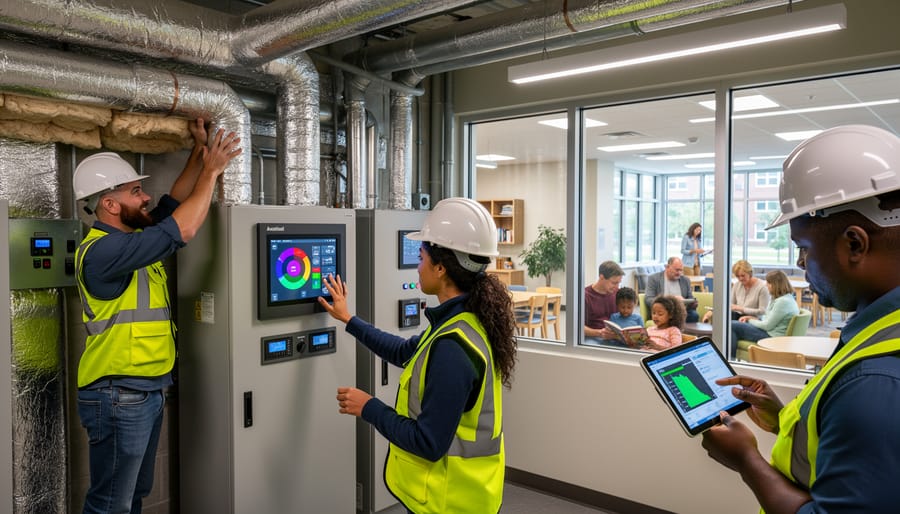
Start with your own facilities. Energy efficiency is one of the most reliable places to begin. Audit lighting, heating, and cooling, then look at water and wastewater systems, which are among the largest energy users in many municipalities. Pumps, aeration, and treatment processes can often be tuned or upgraded to cut both energy use and emissions. Savings from these projects can then support further improvements.
Think beyond borders. Climate challenges and clean energy innovation cross national lines. Sharing methods, data, and lessons with international peers helps good ideas spread faster and avoids repeating costly mistakes.
You do not need to do everything at once. Pick one step, such as subscribing to funding alerts or scheduling an energy audit, and build from there.
Common Questions About the DOE and Climate Change
Readers often ask the same handful of questions when they first look into how federal energy policy connects to climate action. Here are clear answers, with pointers to confirm current details.
What is the DOE’s role in climate change?
The Department of Energy funds clean energy research, runs the national laboratories, supports technology demonstrations, and sets efficiency standards. Because energy production and use drive most greenhouse gas emissions, these tools shape how the country cuts emissions.
How is the DOE different from the EPA on climate?
The DOE focuses on developing and deploying energy technologies and improving efficiency. The EPA focuses on setting and enforcing environmental regulations, such as limits on pollution.
Where can I find current DOE funding opportunities?
The official website is the best starting point, along with the federal grants portal. Programs and budgets change with each administration and Congress, so always confirm the latest status there.
How does CERI use DOE-related research in its strategies?
CERI draws on public research and independent analysis to track whether policies deliver real results. Its approach turns federal energy work into practical, evidence-based guidance for communities, policymakers, and organizations.
If you want to go deeper, learning how to find and use climate research can help you judge which federal programs are working and where your voice can make a difference. Checking primary sources before you act keeps your advocacy grounded and credible.
The Takeaway: Evidence-Based Energy Strategy Starts With You
The DOE’s work shows that climate progress depends on steady, evidence-based energy solutions, not slogans. CERI remains committed to translating that evidence into clear, practical guidance. Stay informed, speak up when policies are open for comment, and back the sustainable energy choices that fit your community. Every informed voice helps turn good research into real results.