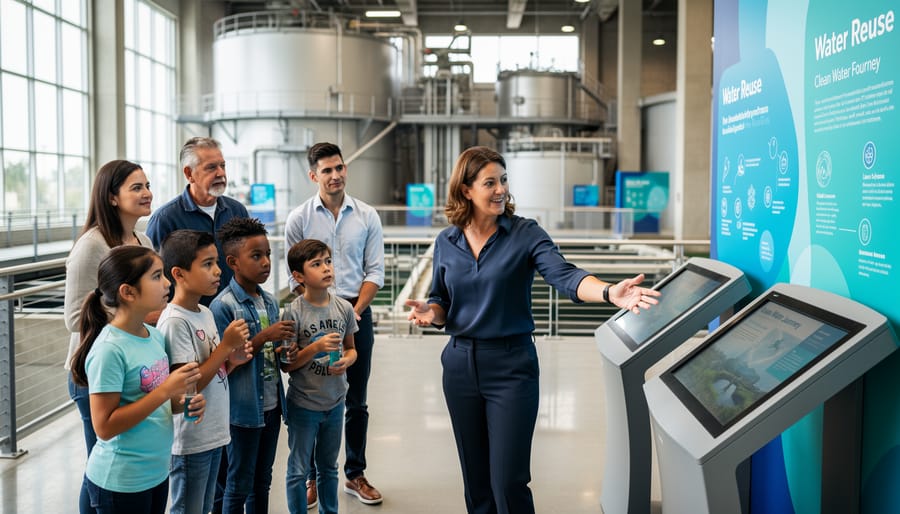
The Los Angeles Environmental Learning Center at Hyperion transforms the city’s largest wastewater treatment plant into a hands-on classroom where children and adults discover how Los Angeles manages water and solid waste sustainably. Located at 12000 Vista Del Mar in Playa del Rey, this unique facility offers docent-led tours through interactive exhibits that demystify the complex systems keeping our waterways clean and our resources cycling efficiently.
What sets this center apart is its location inside an active infrastructure site. Visitors don’t just learn about wastewater treatment from textbooks; they witness it in action, observing how millions of gallons flow through filtration systems daily before returning safely to the Pacific Ocean. This direct connection between environmental science and urban infrastructure makes abstract concepts like water conservation and pollution prevention tangible and urgent.
The center welcomes participants ages nine and older through scheduled tours that require advance registration. These educational experiences connect individual actions to citywide environmental outcomes, showing how everyday choices about water use, waste disposal, and resource consumption ripple through LA’s vast treatment systems. By grounding environmental education in real-world operations, the facility empowers communities to practice sustainability locally with informed decision-making.
Partnerships with organizations like the LA County Safe Clean Water Program extend the center’s reach, coordinating tours and workshops that align public education with broader watershed protection goals. Whether you’re an educator seeking field trip opportunities, a resident curious about where your water goes, or an advocate building community environmental literacy, the Hyperion Environmental Learning Center offers evidence-based insights into the infrastructure that sustains Southern California’s population.
What Makes the Environmental Learning Center at Hyperion Unique
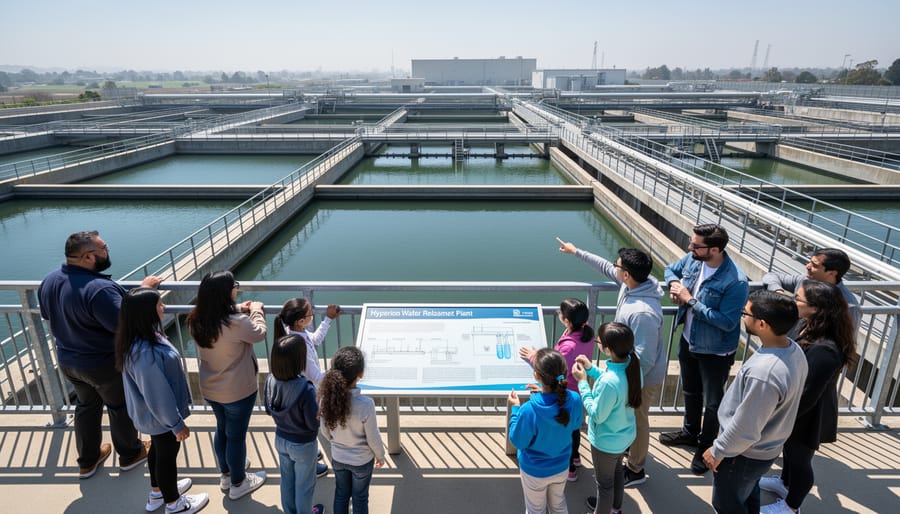
The Environmental Learning Center at Hyperion occupies a one-of-a-kind position in Los Angeles’ environmental education landscape. Unlike traditional nature centers or classroom-based programs, the ELC operates inside the Hyperion Water Reclamation Plant, the city’s largest wastewater treatment facility. This physical embedding within active water infrastructure transforms abstract environmental concepts into tangible, observable processes that visitors can see, hear, and understand firsthand.
The center’s location allows it to bridge the gap between municipal engineering and public environmental literacy. Visitors walk through the same facility that processes wastewater from millions of Los Angeles residents, witnessing the complex journey from household drains to treated water safe for ocean discharge. This direct exposure to working infrastructure demystifies water management in ways that textbooks and diagrams cannot replicate. The ELC turns pipes, tanks, and treatment stages into teaching moments, making visible the invisible systems that sustain urban life.
Educational programming at the ELC addresses both water and solid waste management, reflecting the interconnected nature of urban resource systems. Docent-led tours translate technical processes into accessible narratives about sustainability, resource conservation, and environmental stewardship. The center serves diverse audiences, welcoming school groups, community organizations, and individual residents interested in understanding how Los Angeles manages its water resources and environmental challenges.
This educational model proves particularly effective because it roots learning in local context. Rather than discussing theoretical environmental principles, the ELC grounds its teaching in the specific realities of water scarcity, ocean protection, and sustainable resource management as they manifest in Southern California.
Educational Programs and Exhibits at the Center
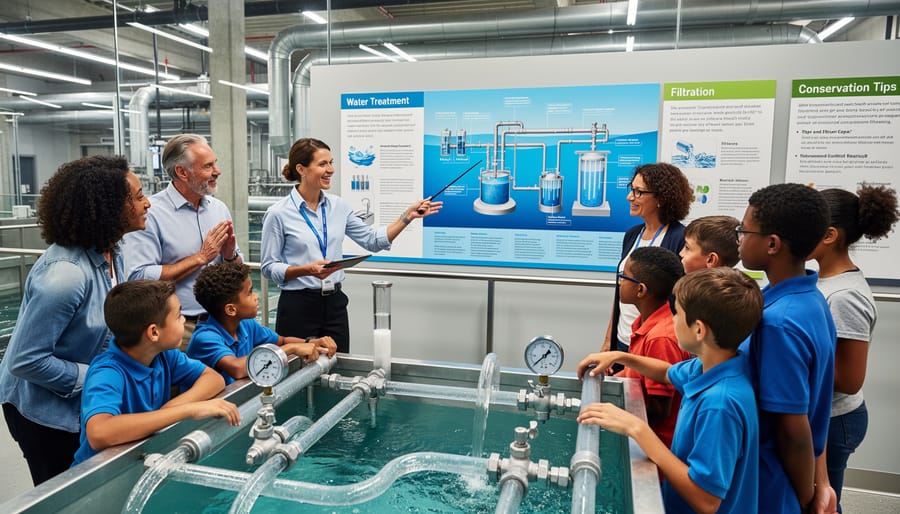
The ELC’s educational approach centers on making Los Angeles’ complex water systems understandable through hands-on learning. Docent-led tours guide visitors through environmental education exhibits that transform abstract concepts like water reclamation and watershed protection into tangible, memorable experiences. These tours don’t simply showcase infrastructure. They reveal how a massive urban region manages its most precious resource and what that means for ocean health, public sanitation, and environmental sustainability.
During a typical tour, trained docents walk groups through exhibits that explain the complete water cycle as it operates in Los Angeles. Visitors learn how wastewater becomes reclaimed water, how treatment processes protect the Pacific Ocean from pollution, and why sustainable water management matters in a semi-arid climate with millions of residents. The exhibits present this information through visual displays, interactive elements, and real-world examples that connect to visitors’ daily lives.
The program design accommodates different learning levels and interests. School groups discover water science fundamentals, while adult participants often dig deeper into policy implications, infrastructure challenges, and opportunities for individual action. Docents tailor explanations to match audience backgrounds, whether they’re students encountering water treatment concepts for the first time or community members seeking to understand local environmental issues.
Tours also address solid waste management alongside water topics, recognizing that sustainable resource management requires integrated thinking. Visitors see how what goes down household drains affects treatment processes, how pollution prevention starts at the source, and why educated community participation matters for environmental outcomes. The docents emphasize practical knowledge visitors can apply immediately, from water conservation techniques to preventing contamination at home.
This educational model proves particularly effective because it combines expert-led instruction with physical proximity to working infrastructure. Standing within an active water reclamation facility transforms abstract environmental concepts into concrete realities, creating learning moments that lectures alone cannot replicate.
How the ELC Supports Watershed Education and Collaboration
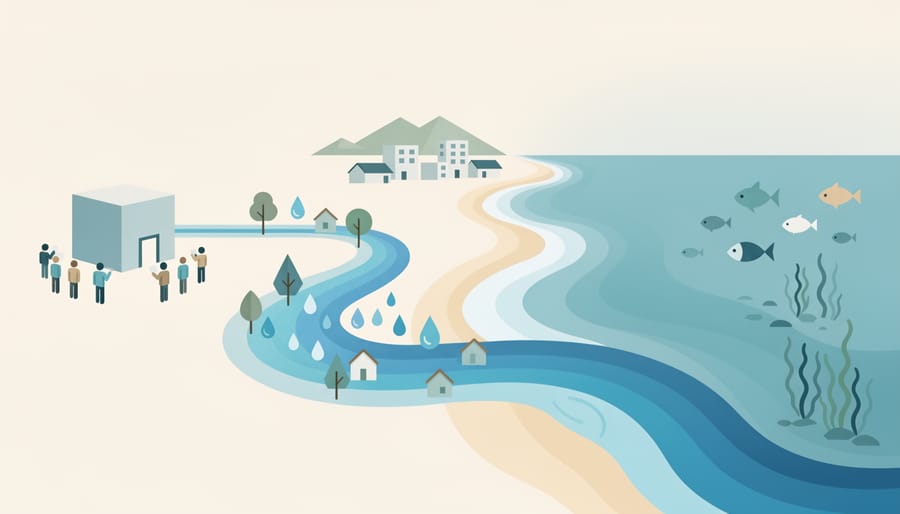
The Environmental Learning Center operates as more than just a standalone facility. It functions as a critical node in Los Angeles County’s watershed education network, bringing together diverse stakeholders to address regional water challenges through collaborative learning.
The center’s partnership with LA County Safe Clean Water Program watershed coordinators exemplifies this collaborative approach. These coordinators, who manage watershed-specific initiatives across the region, use the ELC as a convening space where community members, environmental advocates, and municipal partners can explore water issues through direct experience. Tours hosted by watershed coordinators connect participants with the tangible infrastructure that processes their community’s water, making abstract concepts like watershed management visible and understandable.
This collaborative model transforms the facility into an active hub for environmental campaigns rather than a passive educational exhibit. When watershed coordinators bring groups to Hyperion, they’re not just showing equipment. They’re facilitating conversations about pollution prevention, stormwater capture, and water conservation strategies specific to participants’ neighborhoods. A tour becomes a workshop where attendees see how their local creek or storm drain connects to the larger system processing millions of gallons daily.
The center’s educational programs naturally extend into community action planning. Groups visiting the ELC often leave with concrete understanding of how wastewater treatment intersects with ocean health, groundwater recharge, and climate resilience. This knowledge base supports informed participation in public comment periods, volunteer monitoring programs, and neighborhood-level sustainability initiatives.
By hosting tours that bridge technical water management with community concerns, the ELC creates space for the kind of informed dialogue that drives environmental policy and behavior change. Watershed coordinators gain a powerful educational tool, while community members access expertise and infrastructure typically hidden from public view. This reciprocal relationship strengthens both individual environmental literacy and collective capacity for watershed stewardship across Los Angeles County.
Planning Your Visit to the Environmental Learning Center
Visiting the Environmental Learning Center starts with a simple step: advance registration. The center operates by appointment only, requiring visitors to book their tour ahead of time. This ensures that each group receives focused attention from trained docents who can tailor the experience to visitor backgrounds and questions.
The facility sits at 12000 Vista Del Mar in Los Angeles, a location that places you directly at the threshold of one of the city’s most significant water infrastructure sites. Tours typically run two hours, giving participants enough time to engage with exhibits, ask questions, and grasp how their daily water use connects to the ocean just beyond the plant’s boundaries.
| Visitor Information | Details |
|---|---|
| Location | 12000 Vista Del Mar, Los Angeles, CA 90293 |
| Age Requirement | 9 years and older |
| Registration | Required in advance |
| Typical Tour Duration | 2 hours |
Age matters here. Tours typically welcome participants who are nine years or older, reflecting the educational depth and industrial setting of the facility. This threshold ensures visitors can grasp wastewater treatment concepts and navigate the site safely.
What should you expect? A docent-led journey through exhibits that translate technical infrastructure into tangible environmental lessons. You’ll see where wastewater becomes reclaimed water, learn how solids management prevents ocean pollution, and understand the role this single plant plays in protecting Santa Monica Bay. The experience transforms abstract concepts like watershed health into observable processes.
Group visits offer particular value. Schools, environmental organizations, and community groups can arrange tours that align with specific educational goals, whether that’s understanding local water cycles or exploring careers in environmental management. These organized visits turn the ELC into a meeting point where civic engagement and environmental literacy intersect, giving participants tools to advocate for sustainable water practices in their own neighborhoods.
The ELC’s Role in Community Environmental Action
The Environmental Learning Center doesn’t just educate visitors about water treatment, it transforms knowledge into community action. By demystifying how Los Angeles manages its water resources, the facility equips residents with the understanding necessary to make informed decisions about conservation, pollution prevention, and sustainable consumption in their daily lives.
Facilities like the ELC serve as catalysts for behavior change by connecting infrastructure to personal responsibility. When visitors witness firsthand how stormwater runoff affects ocean water quality or how treatment processes work, abstract environmental concepts become concrete realities. This awareness translates into household practices: reducing chemical use, properly disposing of hazardous materials, and conserving water during periods of scarcity.
The center’s collaborations amplify this impact beyond individual tours. Partnerships with watershed coordinators for the LA County Safe Clean Water Program demonstrate how educational facilities can anchor larger environmental campaigns. These collaborations create spaces where community members, environmental professionals, and policymakers exchange ideas and develop coordinated responses to regional water challenges.
The ELC embodies the three pillars of effective environmental stewardship by fostering informed participation. Education at the center doesn’t end when tours conclude, it radiates outward as participants share insights with families, advocate for better local policies, and engage in watershed protection initiatives. This ripple effect turns one-time visitors into environmental ambassadors who understand that protecting water resources requires both personal accountability and collective effort across Los Angeles.
Common Questions About Visiting and Participating
Who should consider visiting the Environmental Learning Center? School groups, families with children 9 and older, environmental professionals, and community organizations all gain value from the experience. Teachers appreciate how the tours translate complex water systems into age-appropriate lessons, while adult groups benefit from understanding the infrastructure behind their daily water use.
How do I book a tour of the ELC?
Tours require advance registration, typically through event platforms like Eventbrite when sessions are scheduled by watershed coordinators or the center directly. Check with LA County Safe Clean Water Program partners for upcoming tour dates.
What age restrictions apply to tours?
Participants must be at least 9 years old due to the facility’s industrial setting and the educational content level. This ensures visitors can safely navigate the site and engage meaningfully with the material.
What should I bring to a tour?
Wear comfortable closed-toe shoes suitable for walking through an active treatment facility. Bring water, sunscreen for outdoor portions, and a notebook if you want to capture key insights for later reference.
Is the facility accessible for people with mobility limitations?
Contact the center before booking to discuss specific accessibility needs, as portions of the tour involve navigating an industrial water treatment plant with varying terrain.
The ELC fits into LA’s environmental education landscape as a rare facility that connects citizens directly to municipal infrastructure. Unlike nature centers focused solely on ecosystems, this site reveals how human systems can align with environmental goals, making it particularly valuable for understanding urban sustainability challenges and solutions.
The Environmental Learning Center at Hyperion stands as proof that transforming public infrastructure into accessible educational spaces creates lasting impact. When residents understand where their water comes from, how it’s treated, and why watershed health matters to their daily lives, they become equipped to make informed decisions that protect shared resources.
Facilities like the ELC demonstrate that environmental education works best when it connects science to place, theory to practice. The docent-led tours and exhibits translate complex systems into tangible lessons that visitors carry home and apply through changed behaviors, reduced water waste, better stormwater management, advocacy for protective policies.
Community engagement through hands-on learning experiences delivers real environmental wins that policy alone cannot achieve. Schedule a tour, bring your school group or organization, or support watershed education initiatives in your area. Apply what you learn: track your water use, participate in local clean-water campaigns, share knowledge with neighbors. Environmental stewardship grows from understanding, and understanding begins with showing up. The ELC offers that opportunity, take it.