A bioenergy innovation center accelerates the transition from fossil fuels to sustainable energy by developing, testing, and scaling technologies that convert organic materials into clean power, fuels, and chemicals. These specialized facilities bring together scientists, industry partners, and policymakers to solve technical barriers in biofuel production, biomass conversion, and carbon-neutral manufacturing processes that can operate at commercial scale.
The urgency is clear: global energy systems must achieve net-zero emissions while meeting growing demand. Bioenergy offers a solution grounded in biological cycles rather than geological extraction, transforming agricultural residues, algae, forestry waste, and purpose-grown crops into energy carriers that can replace petroleum, natural gas, and coal. Yet moving from laboratory breakthroughs to market-ready systems requires infrastructure most universities and startups lack.
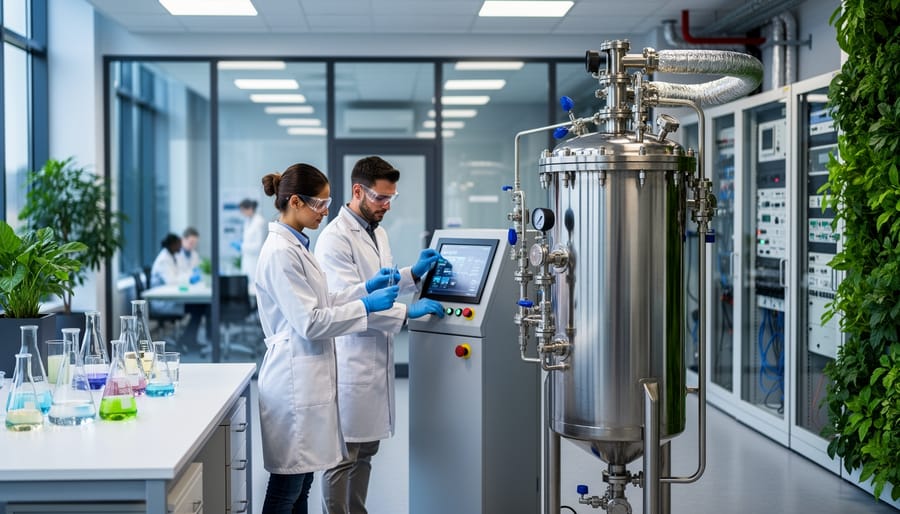
Innovation centers fill this gap. They provide pilot-scale reactors, analytical equipment, and process engineering expertise that let researchers validate performance claims, optimize conversion efficiency, and demonstrate economic viability before attracting private investment. The Clean Energy Innovation Research Centre, for instance, catalyzes solutions for net-zero energy, critical minerals, advanced materials, and industrial decarbonization through collaborative research programs that connect academic discovery with industry application.
For researchers, businesses exploring renewable feedstocks, and communities seeking energy independence, these centers offer more than equipment. They create ecosystems where technical challenges meet entrepreneurial support, policy analysis, and workforce training, turning scientific potential into deployed systems that reduce carbon emissions today.
What the Bioenergy Innovation Center Is
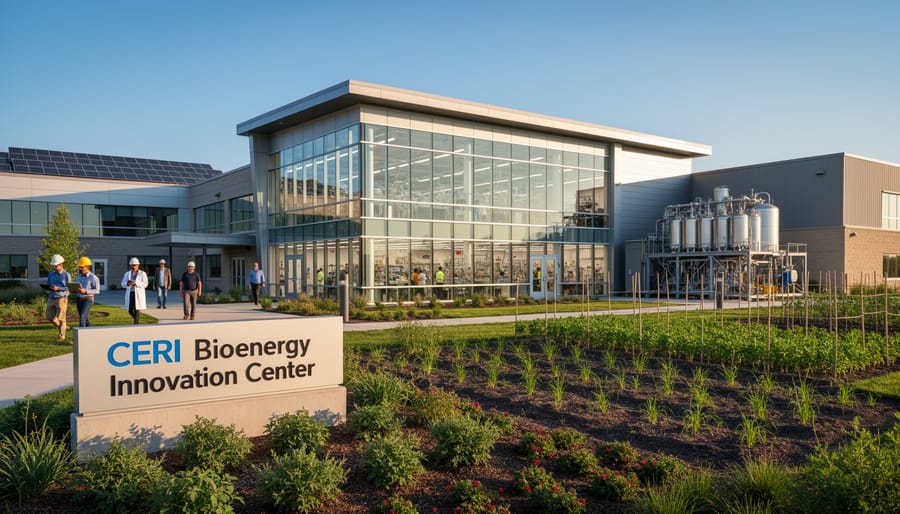
The CERI Bioenergy Innovation Center is a specialized research and development facility within the Center for Environmental Research and Innovation, dedicated to accelerating the transition from bioenergy concepts to real-world energy systems. While CERI catalyzes solutions across water purification, ecosystem restoration, and climate resilience technologies, this center focuses specifically on converting organic materials and waste streams into clean, usable energy. Its mission centers on making bioenergy practical, scalable, and economically viable for industries, communities, and energy providers seeking alternatives to fossil fuels.
The center operates as part of CERI’s broader portfolio targeting net-zero energy, critical minerals, advanced materials, and industrial decarbonization. Unlike traditional bioenergy research that may remain confined to academic settings, this center emphasizes deployment readiness. Scientists collaborate with policymakers, businesses, and community advocates to test technologies through pilot programs, develop policy briefs that inform energy regulation, and run capacity-building workshops that train stakeholders in emerging bioenergy systems.
Three core areas define the center’s work: waste-to-energy technologies that transform organic waste into biofuels and biogas, sustainable fuel development advancing second- and third-generation biofuels beyond conventional corn ethanol, and industrial decarbonization strategies using biomass conversion and biochar production. Each initiative addresses a specific barrier preventing bioenergy from displacing carbon-intensive energy sources, whether technical, economic, or regulatory. The center functions as an innovation accelerator, shortening the timeline between breakthrough and adoption while ensuring solutions meet the practical demands of energy markets and environmental goals.
Core Programs and Research Focus Areas
Waste-to-Energy and Circular Economy Solutions
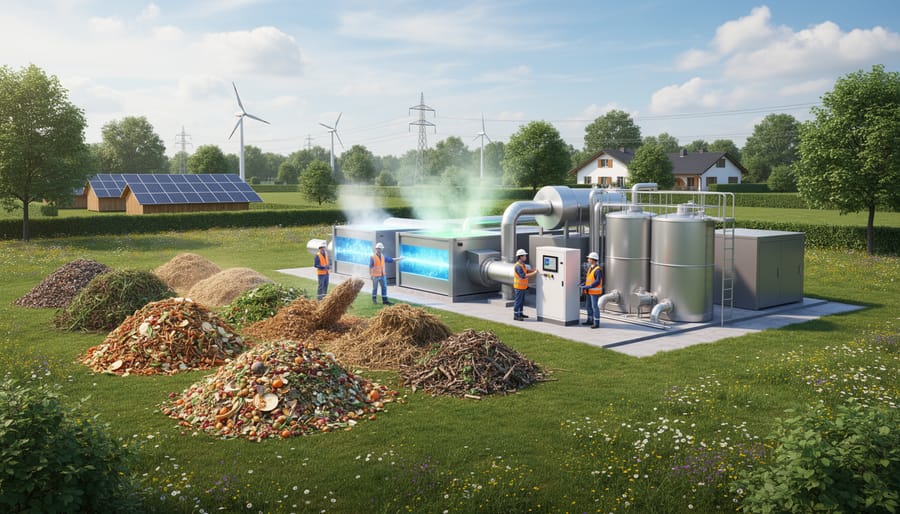
The center’s waste-to-energy programs transform organic waste, agricultural residues, food scraps, forestry byproducts, and municipal solid waste, into renewable biofuels and biogas. This work directly supports waste reduction targets while generating clean energy from materials that would otherwise decompose in landfills and release methane. By converting waste streams into energy, the programs help communities close resource loops and reduce greenhouse gas emissions.
These initiatives align with the center’s role within CERI’s broader mission, which catalyzes circular solutions for net-zero energy and industrial decarbonization. Pilot programs test anaerobic digestion systems that produce biogas for heating and electricity, while advanced thermochemical conversion processes yield liquid biofuels suitable for transportation. Capacity-building workshops teach municipalities and businesses how to assess their waste streams, select appropriate conversion technologies, and integrate these systems into existing infrastructure.
For industries generating consistent organic waste, the center develops tailored solutions that turn disposal costs into energy assets. Food processors, breweries, and agricultural operations can partner on projects that convert their byproducts into on-site power or feedstock for regional biofuel production, creating closed-loop systems that reduce both waste disposal expenses and fossil fuel dependence.
Sustainable Biofuel Development
The Bioenergy Innovation Center advances net-zero energy innovations through targeted research on next-generation biofuels that move beyond food-crop feedstocks. Second-generation biofuel initiatives focus on converting agricultural residues, forestry waste, and non-food biomass into ethanol and biodiesel, reducing competition with food production while utilizing existing waste streams. Third-generation research explores algae cultivation systems that capture carbon dioxide during growth and produce lipids convertible to jet fuel, diesel, and biogas without requiring arable land.
These programs prioritize scalability and carbon intensity reduction across transportation and industrial sectors. Algae-based systems offer year-round production potential and higher yields per acre than terrestrial crops, addressing supply constraints that limit first-generation biofuels. The center tests integration pathways for these alternatives into existing fuel infrastructure, examining blend compatibility, storage stability, and emission profiles under real-world conditions.
Industrial applications receive equal attention, with research on bio-oil production from lignocellulosic materials and hydrothermal processing techniques that convert wet biomass into energy-dense fuels. This work directly supports sectors seeking fossil fuel alternatives without complete process redesigns, accelerating adoption timelines for businesses committed to decarbonization.
Industrial Decarbonization Through Biomass
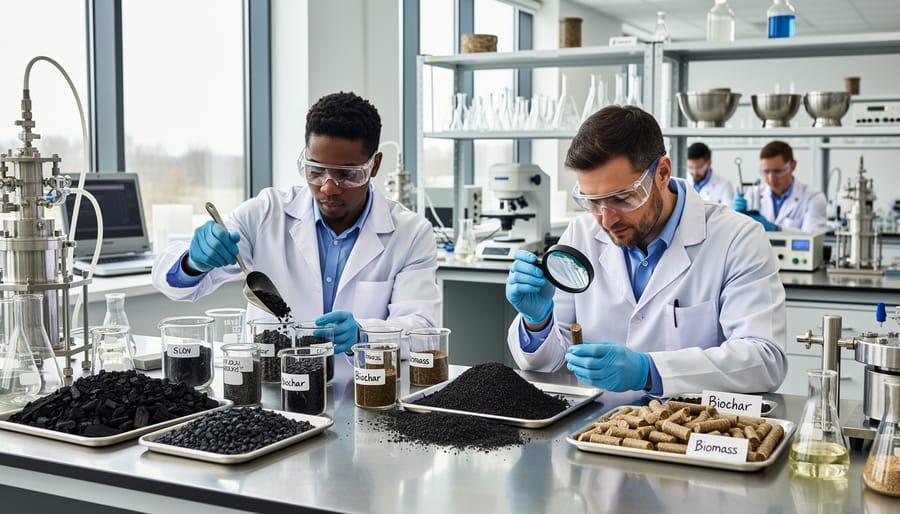
The center’s industrial decarbonization focus addresses one of the toughest challenges in the transition to clean energy: replacing fossil fuels in manufacturing, processing, and heavy industry. By converting biomass, organic materials from agricultural residues, forestry waste, and energy crops, into carbon-neutral alternatives, the center helps industries cut emissions without sacrificing output or reliability.
Three biomass innovation pathways dominate the center’s work with industrial partners:
- Advanced gasification systems that convert woody biomass into syngas for industrial heat and power generation
- Biochar production technologies that sequester carbon while creating soil amendments and filtration materials
- Biomass-derived specialty chemicals and advanced materials that replace petroleum-based industrial inputs
- Integrated pyrolysis units that extract bio-oils, gases, and solid char from mixed feedstocks for diverse industrial applications
The center’s pilot programs test these technologies at scales large enough to demonstrate commercial viability, working directly with manufacturers to customize solutions for their specific processes. This hands-on approach accelerates adoption by proving that biomass systems can match the performance and economics of conventional fossil fuel infrastructure. For energy-intensive sectors like cement, steel, and chemicals, these innovations offer a pathway to deep decarbonization that doesn’t require complete facility redesigns, a practical reality that makes near-term progress possible.
Who the Center Serves
The Bioenergy Innovation Center serves diverse stakeholders united by a common need: practical, scalable solutions to energy and environmental challenges. By bringing together scientists, policymakers, businesses, and community advocates, the center creates a collaborative ecosystem where bioenergy research transforms into real-world impact.
Scientists and Researchers find in the center a platform for translating theoretical breakthroughs into pilot programs and deployable technologies. The center provides access to advanced facilities, interdisciplinary collaboration opportunities, and pathways to test innovations in net-zero energy, critical minerals, and industrial decarbonization. Researchers gain not only technical resources but also connections to end users who can implement their discoveries.
Policymakers and Government Agencies rely on the center for evidence-based policy briefs and capacity-building workshops that inform sustainable energy strategy. The center’s work in waste reduction and climate resilience technologies supplies decision-makers with tested models and performance data, enabling them to craft regulations and incentives grounded in proven outcomes rather than speculation.
Businesses and Industries seeking sustainable energy transitions engage with the center to access cutting-edge biomass conversion technologies, sustainable fuel alternatives, and industrial decarbonization strategies. Companies find practical solutions for reducing fossil fuel dependence while maintaining operational efficiency, along with mentorship and workplace residency programs that accelerate implementation.
Communities affected by energy access gaps or waste management challenges benefit directly from the center’s circular economy solutions. Waste-to-energy programs and biogas initiatives provide local energy sources while addressing disposal problems, embodying the sustainability pillars of environmental protection, economic viability, and social equity.
| Stakeholder Group | Primary Benefits | Engagement Pathway |
|---|---|---|
| Scientists & Researchers | Pilot program access, interdisciplinary collaboration, deployment pathways | Research partnerships, facility use, technology testing |
| Policymakers & Agencies | Evidence-based briefs, capacity-building, tested regulatory models | Workshops, policy consultation, data access |
| Businesses & Industries | Decarbonization solutions, sustainable fuels, operational efficiency | Technology licensing, mentorship, workplace residency |
| Communities | Local energy access, waste reduction, circular economy benefits | Community programs, demonstration projects, education |
This multi-stakeholder approach ensures that bioenergy innovation serves not just academic advancement but tangible progress toward sustainable energy systems that work for everyone.
How the Center Operates
The Bioenergy Innovation Center operates through a collaborative model that translates laboratory research into real-world applications while building capacity across multiple sectors. Drawing on CERI’s broader approach as a catalyst for translating environmental research into deployable solutions, the center emphasizes hands-on innovation rather than purely theoretical study. This operational framework combines direct research partnerships, structured training programs, and continuous engagement between scientific teams and end-users.
At the core of the center’s work are integrated mechanisms that accelerate the path from concept to implementation:
- Pilot projects testing waste-to-energy systems and biofuel production at demonstration scale
- Research partnerships connecting academic scientists with industry partners and government agencies
- Policy translation through briefs and technical guidance that inform regulatory frameworks
- Capacity-building workshops training technicians, entrepreneurs, and community leaders in bioenergy systems
- Technology demonstration sites showcasing biomass conversion, biogas generation, and advanced fuel production
The center’s education and mentorship components provide structured pathways for emerging researchers and innovators. Participants access workplace residency opportunities that embed them in active projects, gaining practical experience in sustainable fuel development, industrial decarbonization technologies, and circular economy applications. This approach mirrors the Center for Entrepreneurial Research and Innovation’s model of guiding innovators to create impact, applying that principle specifically to bioenergy challenges.
Critically, the operational model ensures that discoveries contribute to measurable climate policy impact by designing projects with scalability and regulatory adoption in mind from the start. Scientists, policymakers, businesses, and community advocates participate together in project design phases, ensuring that technical solutions address genuine implementation barriers. Regular knowledge-sharing events and open-access publications disseminate findings beyond the immediate research network, amplifying the center’s influence across regions and sectors facing similar energy transition challenges.
How to Engage with the Bioenergy Innovation Center
Engaging with the Bioenergy Innovation Center starts by identifying which pathway aligns with your expertise and goals. Researchers can propose collaboration through joint project applications focused on waste-to-energy systems, sustainable biofuels, or biomass conversion technologies. The center operates as part of CERI’s broader Environmental Innovation Center which brings together scientists, policymakers, businesses, and community advocates to accelerate real-world impact.
Policymakers access the center’s findings through dedicated policy briefs that translate research into actionable recommendations for energy transitions and waste management frameworks. These documents support evidence-based decision-making at municipal, regional, and national levels.
Businesses seeking decarbonization solutions can explore partnership pathways tailored to industrial needs, whether converting agricultural waste to energy, integrating biomass into manufacturing processes, or piloting closed-loop systems. The center facilitates pilot programs that test innovations in real operational environments before full-scale deployment.
Educational institutions and students benefit from mentorship opportunities and workplace residencies that provide hands-on experience in bioenergy research. Capacity-building workshops equip participants with technical skills in areas like biogas system design, biofuel production methods, and lifecycle analysis of renewable energy projects.
Community organizations, particularly those focused on waste reduction or energy access, can engage through tailored programs addressing local challenges. The center’s work emphasizes solutions that serve communities facing environmental or energy equity concerns.
All engagement pathways emphasize collaboration rather than passive information consumption. Whether you contribute research expertise, seek technical assistance, or want to understand how bioenergy solutions apply to your region, the center’s structure connects diverse stakeholders around shared sustainability goals.
Frequently Asked Questions
The CERI Bioenergy Innovation Center welcomes a wide range of collaborators and participants, from established researchers to emerging innovators and community advocates. Understanding how the center operates and who can engage with its programs helps potential partners determine the best pathways for involvement.
Who can partner with the Bioenergy Innovation Center?
The center collaborates with scientists, policymakers, businesses seeking sustainable energy transitions, and community advocates working on waste management or energy access challenges. Partnership models include research collaboration, pilot program participation, and capacity-building workshops tailored to different stakeholder needs.
How does bioenergy research differ from traditional renewable energy work?
While traditional renewables like solar and wind capture energy directly from natural sources, bioenergy converts organic waste and biomass into usable fuels and materials. This approach addresses both energy generation and waste reduction simultaneously, creating circular economy solutions that turn environmental challenges into energy resources.
What support does the center provide for innovators?
The center offers education, mentorship, and workplace residency opportunities for innovators developing bioenergy solutions. These programs guide participants through research translation, connecting them with technical expertise, policy networks, and deployment pathways to move innovations from concept to implementation.
How can communities access research findings?
Research findings become accessible through policy briefs, pilot programs implemented in partnership with local stakeholders, and capacity-building workshops. These formats translate technical discoveries into practical guidance for community action enabling towns and organizations to adopt bioenergy solutions suited to their specific waste streams and energy needs.
Collaboration timelines vary depending on project scope. Research partnerships typically involve multi-year commitments to develop and validate new technologies, while participation in established pilot programs or workshops can begin within months. The center prioritizes projects aligned with its focus on net-zero energy, industrial decarbonization, and waste-to-energy systems, ensuring resources support solutions with clear deployment potential and environmental impact.
The CERI Bioenergy Innovation Center stands at the intersection of environmental urgency and practical action, translating cutting-edge research into solutions that communities, businesses, and policymakers can deploy now. As global energy demands intensify and climate pressures mount, bioenergy innovation offers a proven pathway to decarbonize industries, close waste loops, and build resilient systems rooted in renewable resources. The center’s work, grounded in CERI’s mission to catalyze deployable environmental solutions, demonstrates that sustainable energy transitions are not distant aspirations but achievable realities when science, collaboration, and commitment align. Whether you’re a researcher ready to advance next-generation biofuels, a business seeking to reduce fossil fuel dependence, or a community advocate pushing for cleaner energy access, your engagement matters. Explore partnership opportunities, follow emerging breakthroughs, and amplify the case for bioenergy policy support. The transition to sustainable energy depends on collective action, and the center provides a clear entry point for those ready to contribute.