
The climate crisis demands an urgent transformation in how we produce and consume energy, and you have the power to be part of that change. Moving from fossil fuels to clean, renewable energy sources is no longer optional. It’s the defining challenge of our generation, with global temperatures already up 1.2°C since pre-industrial times and extreme weather events becoming both more frequent and more severe. The good news? Proven solutions exist today, from solar and wind power to energy efficiency programs and policy frameworks that allow communities, businesses, and individuals to take meaningful action.
Understanding the relationship between energy and climate change is straightforward. The combustion of coal, oil, and natural gas for electricity, transportation, and heating accounts for roughly three-quarters of global greenhouse gas emissions. These emissions trap heat in our atmosphere, disrupting weather patterns, raising sea levels, and threatening ecosystems worldwide. But this also reveals our greatest opportunity. By transitioning to clean energy systems, we can dramatically reduce emissions while creating jobs, improving public health, and building more resilient communities.
This guide breaks down what you need to know about energy and climate frameworks designed to accelerate this transition. You’ll learn what qualifies you to participate in clean energy programs, how to navigate application processes, what rights and responsibilities come with involvement, and where to find expert support. Whether you’re a homeowner exploring solar options, a business leader planning sustainability goals, or a community advocate pushing for policy change, the evidence-based strategies outlined here will help you move from concern to action.
What CERI Climate Change and Energy Strategies Are
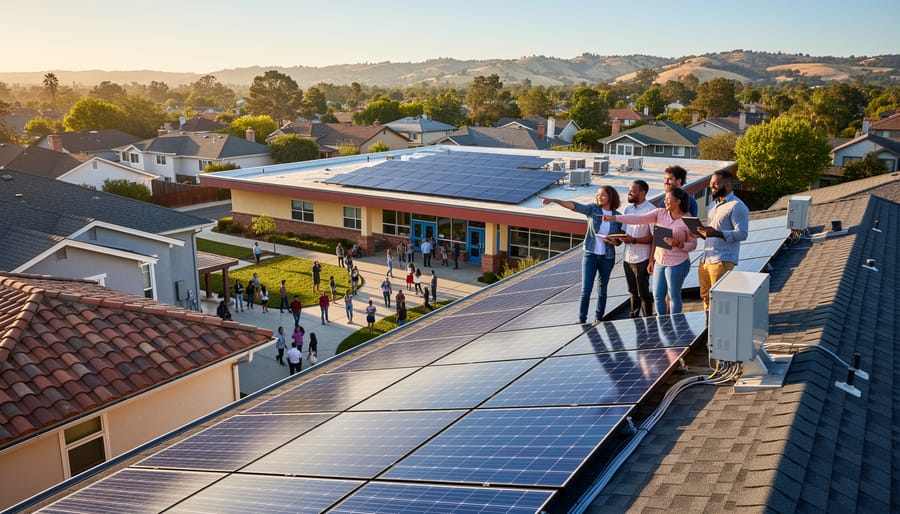
Core Focus Areas
CERI’s strategic framework addresses climate change through four interconnected domains that reflect the complexity of the transition to a low-carbon future. These focus areas emerged from decades of research and field experience, designed to work in concert rather than as isolated initiatives.
Renewable Energy Transition
CERI prioritizes the shift from fossil fuels to clean energy sources by advancing solar, wind, geothermal, and emerging technologies. This work encompasses grid modernization, energy storage solutions, and equitable access to renewable infrastructure. The emphasis falls on evidence-based pathways that balance technical feasibility with social and economic considerations.
Carbon Reduction and Mitigation
Strategies in this domain target greenhouse gas emissions across sectors, transportation, agriculture, industry, and buildings. CERI develops measurement frameworks, carbon accounting tools, and sector-specific reduction roadmaps. The approach integrates both immediate emission cuts and long-term transformation of carbon-intensive systems.
Sustainable Infrastructure Development
This focus addresses the built environment’s role in climate solutions. CERI works on green building standards, sustainable urban planning, circular economy principles, and infrastructure resilience. Projects range from retrofitting existing structures to designing climate-smart communities from the ground up.
Climate Resilience and Adaptation Planning
Recognizing that some climate impacts are now unavoidable, CERI develops strategies to help communities withstand and recover from climate-related disruptions. This includes risk assessment methodologies, early warning systems, ecosystem-based adaptation, and support for vulnerable populations facing displacement or resource scarcity.
These domains align with the three pillars of effective sustainability work and inform CERI’s broader climate policy change advocacy. Each area requires specialized expertise yet depends on the others for comprehensive impact.
Who Can Participate: Eligibility for Engagement

CERI Climate Change and Energy Strategies operate on an inclusive participation model that welcomes diverse stakeholders across multiple sectors. The framework recognizes that effective climate action requires collaboration among individuals, organizations, governments, and institutions, each bringing unique perspectives and capabilities to address the energy transition challenge.
Participation is open to anyone committed to evidence-based climate solutions and sustainable energy practices. Unlike grant programs with restrictive eligibility criteria, CERI initiatives are designed for broad engagement, allowing stakeholders to contribute at various levels based on their capacity and interests. The core requirement is alignment with CERI’s mission of advancing science-informed climate strategies and a willingness to share knowledge transparently.
| Stakeholder Type | Eligibility Criteria | Engagement Opportunities |
|---|---|---|
| Individuals | Interest in climate action, willingness to learn and contribute | Citizen science projects, advocacy campaigns, community workshops, public consultations |
| Organizations & Businesses | Commitment to sustainability reporting, data transparency, evidence-based practices | Research partnerships, pilot programs, technical assistance, implementation case studies |
| Government Agencies | Mandate for climate or energy policy, capacity for data sharing, policy implementation authority | Policy development collaboration, regional strategy design, funding coordination, regulatory framework input |
| Academic Institutions | Research capacity, commitment to open science principles, interdisciplinary approach | Joint research projects, data analysis partnerships, student engagement programs, peer review contributions |
Geographic location does not limit eligibility. CERI works with participants globally, recognizing that climate change transcends borders and solutions developed in one region often inform strategies elsewhere. However, certain collaborative projects may prioritize specific geographic areas based on research objectives or funding parameters.
Organizations seeking formal partnership status must demonstrate institutional commitment through leadership endorsement and allocation of resources for implementation. This ensures sustainable engagement beyond individual champions. Small nonprofits, community groups, and grassroots organizations receive the same consideration as larger entities, with CERI providing scaled support appropriate to organizational capacity.
For research collaborations, participants should possess relevant expertise or data access that advances CERI’s evidence base. This includes utilities with energy consumption data, municipalities with emissions inventories, businesses tracking sustainability metrics, or community groups monitoring local environmental conditions. The emphasis is on contribution quality rather than institutional prestige, allowing diverse knowledge sources to shape climate strategies.
How to Participate and Apply CERI Strategies
For Organizations and Municipalities
Organizations and municipalities looking to adopt CERI frameworks begin by submitting a formal expression of interest through the online portal. This initial application outlines your institution’s climate goals, current energy profile, and specific areas where you seek to implement CERI strategies. You’ll need to provide baseline emissions data, existing sustainability initiatives, and organizational capacity for implementing evidence-based climate solutions.
CERI conducts a preliminary assessment within four to six weeks, evaluating alignment between your objectives and available research and programs. If the fit is strong, you’ll move to the partnership development phase, which involves detailed planning sessions with CERI technical staff. These meetings establish clear implementation timelines, identify resource requirements, and define metrics for measuring progress.
Required documentation includes governance structure details, stakeholder engagement plans, and commitment letters from leadership. Municipalities must also provide demographic data and community needs assessments. Partnership agreements formalize the relationship, specifying CERI’s support commitments, your reporting obligations, and protocols for data sharing. These agreements typically run for three to five years, with built-in review points to adjust strategies based on outcomes. The entire process from initial application to signed agreement generally takes three to four months, though complex institutional arrangements may require additional time.
For Individuals and Community Groups
Individuals and community groups play a vital role in advancing climate solutions through grassroots action and local implementation. CERI welcomes participation from residents, neighbourhood associations, environmental clubs, faith groups, and informal community networks committed to reducing emissions and building climate resilience at the local level.
Begin by registering through CERI’s community portal, where you’ll gain access to simplified climate action toolkits, educational materials, and peer support networks. You can participate in citizen science projects that monitor local air quality, track energy use patterns, or document climate impacts in your area, data that feeds into broader research efforts. CERI also facilitates community action working groups where residents collaborate on neighbourhood-scale projects: shared solar installations, community composting systems, active transportation campaigns, or green infrastructure pilots.
No formal qualifications are required, just a willingness to learn, collaborate, and apply evidence-based strategies in your context. CERI provides training webinars, starter grants for pilot projects, and mentorship from experienced community organizers to help translate climate science into practical, locally-relevant action.
Rights, Obligations, and Commitments

Engaging with CERI Climate Change and Energy Strategies establishes a reciprocal relationship built on transparency, collaboration, and shared commitment to evidence-based climate action. Understanding both what you gain and what you contribute ensures productive partnerships that advance meaningful environmental progress.
What Participants Receive
Organizations and individuals participating in CERI strategies gain access to comprehensive research databases, climate modeling tools, and technical resources developed through rigorous scientific analysis. You’ll receive support from CERI’s network of climate scientists, energy experts, and policy advisors who can guide implementation and troubleshoot challenges. Participants also earn recognition through CERI’s digital platforms and publications when their work contributes to climate solutions, with proper attribution for data contributions, case studies, and innovation. Strategic guidance on aligning local initiatives with broader climate goals helps ensure your efforts create measurable impact.
Core Responsibilities
In return, participants commit to transparent data sharing within agreed protocols, contributing implementation results and lessons learned to CERI’s knowledge base. This collaborative approach strengthens climate accountability across all sectors. You’re expected to maintain scientific integrity in reporting outcomes, both successes and setbacks, as honest assessment drives better strategies. Regular progress updates, typically quarterly for organizational partners and annually for community groups, keep CERI informed of how strategies perform in real-world contexts.
Participants must also respect intellectual property guidelines when using CERI resources, properly citing research and tools while avoiding misrepresentation of CERI endorsement. Organizations implementing strategies at scale should designate a primary contact for coordination and commit reasonable staff time to partnership activities.
Long-Term Commitments
The relationship extends beyond initial implementation. Sustained engagement means contributing to strategy refinement based on your experience, participating in periodic evaluations, and supporting knowledge transfer to emerging participants. This ongoing collaboration ensures CERI strategies evolve with changing climate realities and technological advances, creating a learning community that strengthens climate resilience across diverse contexts.
Where to Get Help and Access Resources
Accessing the right support makes implementing CERI Climate Change and Energy Strategies significantly more manageable. Whether you need technical guidance, funding advice, or connections to others doing similar work, multiple channels exist to help you succeed.
CERI maintains a dedicated Technical Assistance Hub staffed by climate scientists, energy analysts, and implementation specialists who provide direct support to participants. You can reach the team through the online portal at or by calling the hotline Monday through Friday, 9 AM to 5 PM EST. The hub offers personalized consultations, helps troubleshoot implementation challenges, and connects you with experts in specific domains like renewable energy integration or climate resilience planning.
The Resource Library houses an extensive collection of implementation guides, data sets, case studies, and analytical tools. All materials are freely accessible and designed for practical application, from modeling carbon reduction scenarios to designing community engagement campaigns. The library also features webinar recordings, training modules, and templates that streamline documentation and reporting requirements.
For different types of assistance, CERI has organized support across several categories:
– Technical Support: Direct consultations with CERI specialists, peer learning networks, and access to modeling software and analytical frameworks
– Funding Assistance: Grant application guidance, connections to climate finance sources, and cost-benefit analysis tools for project proposals
– Policy Guidance: Regulatory navigation support, policy brief templates, and advocacy strategy consultations for municipal and organizational initiatives
– Community Networks: Regional cohorts of practitioners, monthly virtual meetups, and collaborative platforms for sharing lessons learned
Beyond CERI’s internal resources, strategic partnerships extend the support ecosystem. The National Climate Action Network provides additional technical expertise and connects local efforts to national policy discussions. Regional environmental councils offer on-the-ground support in specific geographies, while university research partnerships provide cutting-edge data and emerging best practices.
Government agencies at federal and state levels maintain complementary programs that align with CERI strategies. The Department of Energy’s Office of Energy Efficiency and Renewable Energy offers grants and technical resources, while EPA’s Climate Change Division provides regulatory guidance and emissions tracking tools. Many state environmental agencies run parallel support programs that can be layered with CERI frameworks for maximum impact.
The collaborative dashboard at enables real-time connection with other participants working on similar challenges, creating opportunities for knowledge exchange and joint problem-solving that accelerate progress.
Frequently Asked Questions
How long does it take to implement CERI Climate Change and Energy Strategies?
Implementation timelines vary based on scope and resources, but most organizations see initial results within 6-12 months of engagement. Comprehensive strategy deployment typically unfolds over 2-3 years, with measurable milestones at each phase to track progress and adjust approaches as needed.
What costs are involved in participating?
CERI provides free access to research, frameworks, and technical guidance for all participants. Implementation costs depend entirely on the specific strategies you choose to adopt, some energy efficiency measures require minimal investment, while infrastructure projects may need substantial funding, though CERI can help identify grants and financing opportunities.
How do we measure the impact of these strategies?
CERI employs evidence-based metrics including carbon emissions reductions, energy consumption changes, cost savings, and community resilience indicators. Participants receive guidance on establishing baseline measurements and access to monitoring tools that track progress against both local goals and broader climate targets.
Can CERI strategies work alongside our existing climate programs?
Yes, CERI frameworks are designed to complement and enhance existing initiatives rather than replace them. The strategies integrate with municipal climate action plans, corporate sustainability programs, and national policy frameworks, often filling gaps or strengthening impact through evidence-based approaches and collaborative networks.
These questions reflect the real-world concerns stakeholders face when considering climate action. One additional consideration that frequently arises involves staff capacity and expertise requirements. Most CERI strategies don’t demand specialized climate science degrees, what matters more is commitment to evidence-based decision-making and willingness to collaborate across sectors. CERI provides training resources and connects participants with peer networks facing similar challenges, which means you’re never navigating implementation alone.
Another common question centers on flexibility: can strategies be scaled or modified for different contexts? Absolutely. CERI’s approach prioritizes adaptation to local conditions, whether you’re a small rural community with limited resources or a large municipality with complex infrastructure systems. The frameworks provide principles and methodologies that work at any scale, with practical examples drawn from diverse settings to guide your specific application.

The climate and energy challenges we face in 2026 won’t be solved by any single government, organization, or innovation. They require sustained, coordinated action across every level of society, from municipal governments implementing renewable infrastructure to community groups advocating for policy change to individuals making informed decisions about energy use.
CERI Climate Change and Energy Strategies provide a proven framework for that action. They translate complex climate science into practical steps, connect isolated efforts into broader movements, and ensure that solutions are grounded in evidence rather than guesswork. Whether you’re a policymaker seeking to reduce emissions, an organization ready to transition to clean energy, or a concerned citizen looking for meaningful ways to contribute, these strategies offer clear pathways forward.
The question isn’t whether you have a role to play, you do. It’s what that role will be and when you’ll start. Review the eligibility criteria outlined earlier, identify which participation pathway aligns with your capacity and goals, and reach out to CERI or partner organizations for guidance. Small actions multiply when they’re coordinated. Collective effort builds momentum. And momentum creates the systemic change our climate demands.