
An environmental policy lawyer is a legal professional who shapes the rules that protect air, water, land, and climate, rather than only arguing individual cases in court. They draft and analyze legislation, review agency regulations, advise governments and organizations, and translate scientific evidence into enforceable law. If you want to understand how a pollution limit, a conservation program, or a clean energy standard gets written and defended, this is the person doing the work.
The role matters because environmental law is only as strong as its design. A well-crafted statute can protect a watershed for decades. A vague one can leave communities exposed. Policy lawyers work at that decision point, weighing scientific findings, legal precedent, and public input to build rules that hold up under scrutiny.
Their work also connects directly to advocacy. They help nonprofits comment on proposed regulations, support coalitions pushing for stronger protections, and give policymakers the legal clarity needed to act with confidence. For students exploring careers, advocates seeking allies, and officials looking for expertise, understanding this role opens a practical path to change.
This guide explains what environmental policy lawyers do, how they influence the policy process, and the steps you can take to get involved.
What an Environmental Policy Lawyer Actually Does

Drafting and Reviewing Environmental Laws
Clear law starts with clear drafting. Environmental policy lawyers help turn goals like cleaner rivers or lower emissions into precise legal language that agencies can apply and courts can uphold. A vague standard invites loopholes, so they define key terms, set measurable limits, and spell out who is responsible for what.
When a bill is proposed, they read it closely. They ask whether the requirements can actually be monitored, whether penalties are strong enough to matter, and how the new rule fits with existing statutes. They also check that the science behind it holds up, so the policy rests on evidence rather than assumption.
Many people learn how this works by connecting with environmental policy and law centers which often review draft legislation and share plain-language analysis with the public. That kind of review helps lawmakers write rules that are practical and enforceable.
Holding Polluters and Agencies Accountable
Laws only protect people when someone makes sure they are followed, and that is where legal expertise becomes practical. Policy lawyers help communities, researchers, and advocacy groups read permits, track compliance records, and spot where a facility or agency has fallen short of its obligations. They turn monitoring data into clear, documented claims that regulators can act on.
Enforcement can happen in several ways. Many environmental statutes allow citizen suits, which let affected residents or organizations ask a court to require compliance when authorities have not acted. Lawyers also support oversight of government itself, asking whether agencies are applying rules consistently, meeting deadlines, and following public-participation requirements.
This work is most effective when it stays constructive and evidence-based. The goal is not conflict for its own sake but credible answers about who is responsible and what must change. The same principle underpins climate accountability where clear legal standards and transparent evidence keep both governments and polluters answerable for their commitments.
How Environmental Policy Moves From Idea to Enforceable Rule
Where Scientific Evidence Meets the Legal Process
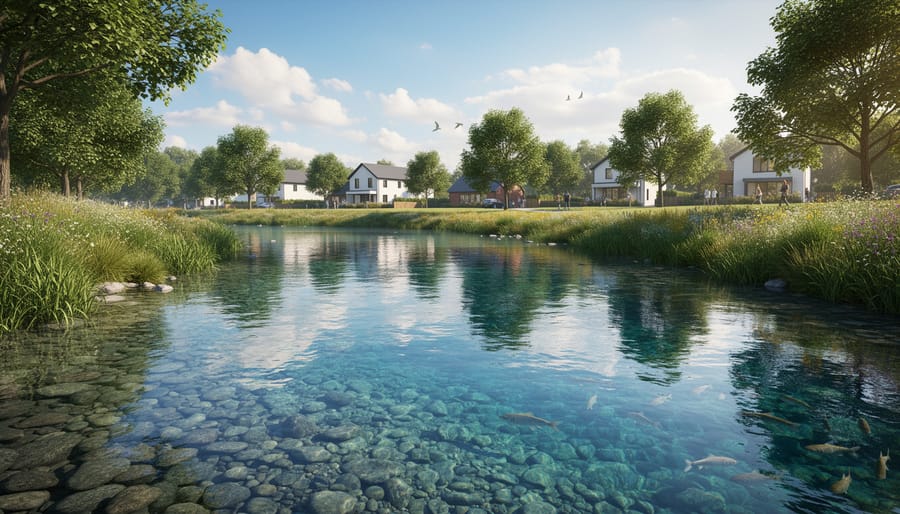
Data on its own rarely changes a rule. It has to be translated into legal terms, and that translation is where an environmental policy lawyer earns their keep. A monitoring record showing repeated nutrient spikes downstream of a treatment plant becomes more than a chart once it is tied to a specific legal standard, a documented trend, and a clear gap in the existing permit limits.
Picture a coastal community noticing that shellfish beds keep closing after heavy rain. Local researchers gather months of water quality samples and match them to overflow events at the nearby wastewater facility. A policy lawyer then connects that evidence to the facility’s permit conditions, shows where monitoring requirements fall short, and frames a proposed change as a practical fix rather than a complaint. When that argument reaches regulators through public comment, it carries both scientific credibility and legal clarity. Stronger reporting and treatment requirements can follow.
Advocates can do the same: use scholarly research to back each claim, and keep the analysis tied to how the EPA rulemaking lifecycle weighs evidence at each stage.
How CERI Policy Advocacy Puts Legal Expertise to Work
Turning Research Into Policy Recommendations
Good environmental policy starts with good evidence. CERI’s research and innovation work focuses on generating data that decision-makers can actually use, such as findings on water quality, wastewater treatment performance, and pollution pathways. But raw data rarely changes a law on its own. Policymakers need it translated into clear conclusions, practical options, and realistic steps for putting a rule into effect.
That translation is where legal and policy expertise adds real value. A strong recommendation explains what the evidence shows, why it matters for public health and ecosystems, and how a specific rule or standard could respond to it. It also anticipates questions about feasibility, cost, and enforcement, so lawmakers and regulators can act with confidence.
Credibility is what makes this work. Recommendations grounded in transparent methods and peer-informed research are harder to dismiss and easier to defend during public comment, negotiation, and review. When evidence and legal reasoning work together, stronger environmental protections become a practical, achievable goal.
Building Community and International Support
Environmental laws last longest when people believe in them and help carry them out. A policy lawyer can draft airtight language, but a rule backed by informed residents, local groups, and neighboring jurisdictions is much harder to weaken or ignore. Public comment periods, community monitoring, and local education turn legal text into everyday practice, and they give lawyers firsthand evidence about how a rule works on the ground. You can see this pattern in many community environmental wins where organized residents help move sustainability goals into enforceable protections.
Pollution also ignores borders. Rivers cross jurisdictions, and air and ocean contaminants travel far from their source. International collaboration lets lawyers, researchers, and advocates share model legislation, compare enforcement strategies, and align standards. When countries learn from one another, strong ideas spread faster, and protections become more consistent and more durable.
Key Areas Where Policy Lawyers Make a Difference
Environmental law touches almost every part of daily life, and policy lawyers work across several major issue areas. Each one has its own rules, but the goal is the same: turning evidence into protection that lasts.
| Issue area | What the law aims to protect | How a policy lawyer contributes |
|---|---|---|
| Water and wastewater protection | Safe drinking water, rivers, lakes, and coastal waters | Helps shape treatment standards and discharge limits, and uses monitoring data to support stronger rules |
| Pollution control | Clean air, healthy soil, and the communities nearest to emission sources | Reviews permits, clarifies emission limits, and supports enforcement when limits are exceeded |
| Waste management | Public health and land from improper disposal and contamination | Drafts and refines rules for handling, recycling, and disposal, and tracks compliance |
| Climate and ecosystem protection | Habitats, biodiversity, and long-term climate stability | Translates scientific findings into enforceable targets and safeguards for natural areas |
What ties these areas together is the move from knowing a problem exists to having a rule that addresses it. A water quality study, for instance, becomes far more powerful when a lawyer can point to the specific provision that lets regulators act on it.
The encouraging part is that these fields reinforce one another. Cleaner wastewater practices reduce pollution in rivers, better waste rules protect groundwater, and healthier ecosystems are more resilient to a changing climate. Policy lawyers who understand these connections can design protections that solve more than one problem at once, which is why legal advocacy remains one of the most practical tools for lasting environmental progress.
Skills, Training, and Pathways Into the Field
Most environmental policy lawyers start with a law degree, such as a JD in the United States or an LLB or LLM in many other countries. Beyond that formal training, the strongest practitioners build a toolkit that blends legal and scientific thinking.
Environmental science literacy is a big part of it. You don’t need to be a chemist or hydrologist, but you do need to read a water quality report, understand what a monitoring dataset can and can’t prove, and ask experts the right questions. Policy analysis matters just as much: weighing costs, benefits, and trade-offs so a proposed rule is practical as well as protective.
Writing and negotiation round out the core skills. Clear drafting keeps laws enforceable, and persuasive, plain-language writing helps communities and officials understand what’s at stake. Negotiation helps lawyers find workable agreements among regulators, industry, and residents.
Pathways vary widely by country, so it’s worth checking the requirements where you plan to work. Many people arrive through environmental science, public policy, or community organizing before adding legal training. Others stay outside the courtroom entirely and contribute as researchers, advocates, or informed volunteers. Students can start early by joining environmental law clinics, writing about local issues, or supporting evidence-based campaigns. Every route adds capacity to the work of turning good science into lasting protection.
How You Can Support Stronger Environmental Laws
Strong environmental laws don’t happen by accident. They take lawyers, scientists, and everyday people pulling in the same direction, and there are practical ways for you to join in.
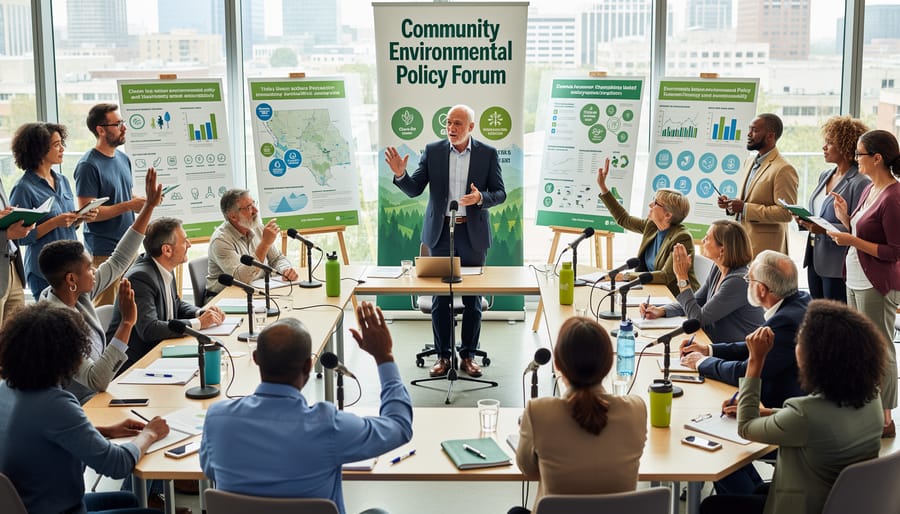
Start with public comment periods. Before most regulations are finalized, agencies invite feedback, and thoughtful, specific comments carry real weight. Share local observations, cite credible data, and explain how a proposed rule would affect your community’s water, air, or land. Short and well-sourced beats long and general.
Next, back evidence-based advocacy. Organizations that pair research with legal analysis give policymakers the credible information they need to act. Supporting that work, through donations, volunteering, or sharing reliable findings, strengthens the entire process.
Then, engage your local officials. City councils, county boards, and state representatives make decisions about wastewater, waste management, and land use that directly shape daily life. A brief letter or a few minutes at a public meeting can put an issue on their radar.
Organizations and policymakers can contribute too. Organizations can open their data and expertise to public review. Policymakers can invite scientists and legal experts into early drafting, so rules are clear and enforceable from the start.
Finally, follow CERI’s work to stay current on research and advocacy, so you know when and where your voice can matter most.
Environmental Policy Lawyer FAQs
Readers often ask the same handful of questions when they first learn about this career and its role in protecting the environment. Here are clear answers to the most common ones.
What does an environmental policy lawyer do?
An environmental policy lawyer helps draft, analyze, interpret, and defend the laws and regulations that protect air, water, land, and communities. They also advise on compliance and support enforcement so that rules actually work in practice.
How is the role different from an environmental litigator?
Litigators focus mainly on arguing cases in court, while policy lawyers work earlier in the process, shaping legislation, regulations, and public comments. The two roles often overlap and complement each other, since strong policy reduces the need for lawsuits and strong litigation tests whether policy is enforced.
Do you need a science background?
A science degree is not required, but environmental science literacy helps a great deal. Policy lawyers regularly work with technical data, so the ability to understand and translate research into legal arguments is a real advantage.
How can individuals influence environmental policy?
Anyone can take part by submitting public comments, contacting local officials, and supporting evidence-based advocacy groups. Informed, consistent participation gives decision-makers a clear picture of what communities need.
Each answer points to the same idea: lasting environmental protection depends on collaboration among lawyers, researchers, and engaged citizens. If you are curious about the field, start by following how rules are proposed and finalized in your own region, then look for chances to add your voice.
Environmental policy lawyers are the bridge between what science tells us and the protections that last. They take monitoring data, research findings, and community concerns and turn them into laws that are clear, enforceable, and fair. CERI Policy Advocacy for Environmental Laws shows what happens when strong evidence and legal expertise work side by side: governments and polluters are held accountable, and communities gain cleaner water and healthier ecosystems.
You can be part of that progress. Learn how policy is made, speak up during public comment periods, and support evidence-based advocacy. Every informed voice makes stronger, more sustainable environmental laws possible.