
Governments are increasingly answerable for the state of the environment, and that accountability is now measurable, enforceable, and open to public scrutiny. Courts, regulators, auditors, and citizens are holding national and local authorities to the climate targets, pollution limits, and conservation promises they have already made. For you, that means environmental protection is no longer only a matter of goodwill. It is a matter of record.
CERI Government Accountability in Environmental Protection tracks exactly this shift, looking at whether commitments turn into results. The pattern behind it is simple. Clear targets, independent monitoring, and transparent reporting give people the evidence they need to ask better questions and expect real answers. Where those three elements exist, progress tends to follow. Where they’re missing, pledges drift.
This matters whether you’re a policymaker shaping regulation, a researcher studying outcomes, or a resident wondering why the air or water in your community hasn’t improved. Accountability is the bridge between a promise on paper and a cleaner river, a lower-emission city, a protected forest.
Below, we break down what has changed, four key developments shaping government environmental responsibility, why they affect you, and what to watch next. You’ll also find practical ways to use your voice, because informed action is how accountability actually happens.
What Changed: How Governments Are Being Held Accountable for the Environment
For a long time, environmental progress in government rested on voluntary pledges: broad goals announced with few ways to check whether they were met. That is changing. Increasingly, commitments come with measurable targets, regular reporting, and consequences when promises fall short.
A few terms help make sense of this shift. Environmental accountability simply means that governments and the organizations they regulate can be asked to show, with evidence, that they are protecting air, water, and land. Compliance monitoring is the ongoing checking of whether permits, limits, and standards are actually being followed, through inspections, sampling, and data review. Transparency reporting is the public release of that information in a form ordinary people can find and understand.
Together, these tools turn a promise into something that can be tested. The same logic applies at every scale, and it is a big part of why climate accountability has become such a prominent part of the wider conversation about government responsibility.
This is where CERI Government Accountability in Environmental Protection fits. Its work centers on independent research, public data, and advocacy that connect what policies say to what actually happens in rivers, communities, and ecosystems. Independent analysis helps check official claims, open data lets residents look for themselves, and advocacy keeps the findings in front of decision-makers.
The encouraging part is that this approach works best when many people take part. Researchers, policymakers, and community members each hold a piece of the picture.
Because rules, deadlines, and reporting requirements shift over time, always confirm the latest dates and specifics with official government and agency sources.
Key Developments in Government Environmental Accountability
1. Stronger Public Reporting on Pollution and Wastewater Discharges
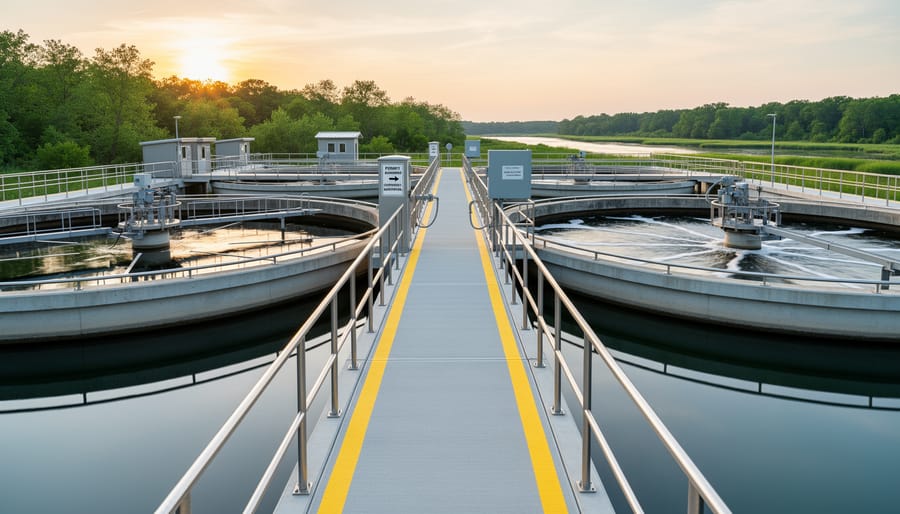
One of the clearest shifts in government environmental accountability is the push for open data on what factories, treatment plants, and other facilities release into waterways. A discharge permit is the legal document that sets how much of a given pollutant a facility may release, and under what conditions. Monitoring data is the record of what the facility actually measured and released, usually reported at regular intervals.
On their own, permits only tell you the rules. Monitoring data tells you whether those rules are being followed. When both are public and easy to search, residents, journalists, and researchers can compare the two and spot patterns that might otherwise go unnoticed.
This is why moves toward electronic reporting for NPDES the U.S. system that regulates wastewater discharges, matter so much. Digital submissions make information faster to review and simpler to share than paper filings.
Picture a neighborhood group that notices a creek smells different after heavy rain. With public discharge records, they can check whether nearby facilities reported unusual releases and bring specific questions to local officials. That kind of evidence-based approach is central to CERI Government Accountability in Environmental Protection, turning concern into informed action.
2. Greater Reliance on Independent, Science-Based Monitoring
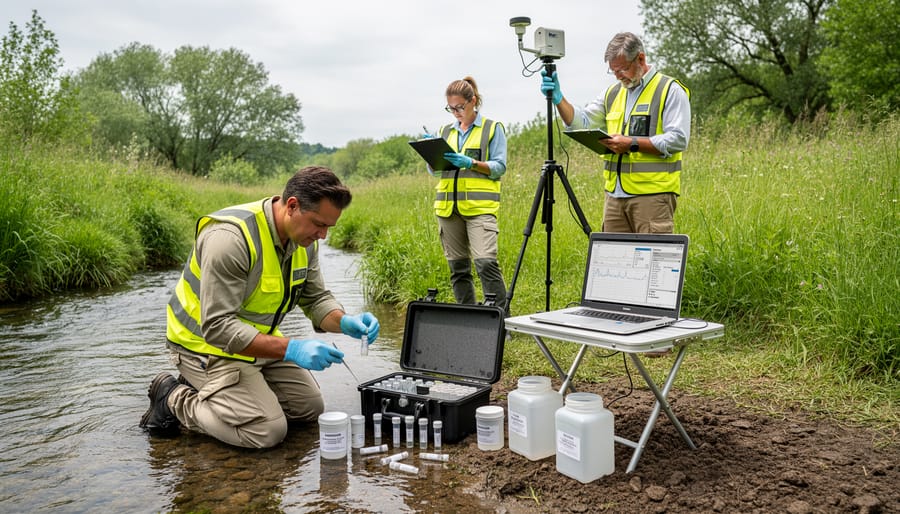
Official monitoring tells part of the story. Independent, science-based monitoring fills in the rest. When universities, research institutes, and community groups collect their own data, governments gain a second set of eyes, and the public gains a way to check whether reported results match conditions on the ground.
Citizen science plays a growing role here. Volunteers who sample local streams or track air quality can flag patterns that a limited number of official stations might miss. Add low-cost sensors and satellite imagery, and the picture gets sharper still. These tools don’t replace regulators. They give communities and researchers a practical way to verify claims and raise well-documented questions.
This is where CERI’s research-and-innovation focus matters. Credible data only builds trust when the methods behind it are sound, transparent, and open to review. Advocates who want to use research effectively can start with peer-reviewed studies and clearly documented sampling methods.
Better evidence also changes the conversation. Instead of arguing over whose numbers are right, governments, scientists, and residents can work from shared, verifiable information, and that makes accountability far more constructive.
3. Expanding Avenues for Community and Public Participation

Public participation turns accountability from something done to communities into something done with them. When a government agency opens a proposed permit, rule, or project for public comment, residents get a formal chance to ask questions, submit evidence, and point out gaps before a decision is final. Those comments become part of the official record, which means agencies are expected to respond to them.
Community advisory groups add another layer. Local residents, scientists, and stakeholders review plans, flag concerns early, and help keep follow-through visible long after a ribbon-cutting. Meanwhile, organized environmental advocacy helps people turn scattered concerns into clear, well-documented requests that decision-makers can act on.
Consider a familiar pattern. A neighborhood learns that a facility wants to renew its discharge permit. A handful of residents review the public monitoring data, notice a recurring gap in sampling, and submit short, specific comments. Others attend the hearing and share how the waterway is used locally. In cases like this, agencies have often added stronger monitoring conditions or clearer reporting requirements before approving the permit.
The lesson is encouraging: focused, evidence-based participation works best, and it does not require expert credentials. It requires showing up, citing the data, and asking for specific, measurable commitments.
4. Increased International Collaboration and Shared Standards
Environmental problems rarely stop at a border. Rivers cross countries, air pollution drifts on the wind, and ocean health depends on dozens of nations acting together. That reality is pushing governments toward closer cooperation, and it is strengthening accountability along the way.
One of the most useful results is the growth of shared standards and benchmarks. When countries measure pollution, emissions, or water quality in comparable ways, it becomes much easier to see who is making progress and who needs support. Think of two neighboring countries sharing a river basin. If both use the same monitoring methods, a spike in contamination can be traced and addressed jointly rather than argued over.
Knowledge exchange matters just as much. A city that has cut industrial discharges can share what worked, and others can adapt those lessons instead of starting from scratch. Researchers, regulators, and advocacy groups, including those aligned with CERI Government Accountability in Environmental Protection, help carry this evidence across borders.
The takeaway is encouraging. Collaboration turns isolated efforts into a connected, learning system, making accountability more consistent and sustainable solutions easier to scale.
Why It Matters for Communities, Policymakers, and Ecosystems
When governments are held to measurable environmental commitments, the benefits reach well beyond the policy documents. Transparent discharge data helps communities confirm that their water meets safety standards. Independent monitoring can reveal problems early, when they’re still easier and cheaper to fix. For families living near industrial sites or waterways, that visibility turns abstract promises into something they can check for themselves.
Different groups gain in different ways. Individuals can use public data and comment periods to raise informed concerns rather than relying on assumptions. Policymakers gain a stronger evidence base, which supports decisions that hold up to scrutiny and builds public trust. Academics and researchers find that open datasets make their work more verifiable and more useful to decision-makers. Organizations, from local advocacy groups to industry partners, can align their efforts around shared, credible information instead of competing claims.
There’s a practical payoff for public resources, too. Clear reporting helps agencies direct limited funds toward the places and problems where evidence shows the greatest need. This is where CERI Government Accountability in Environmental Protection adds value, connecting research and advocacy to outcomes that people can actually see.
Ecosystems benefit when accountability is consistent. Rivers, wetlands, and coastal areas respond to sustained, well-monitored protection far better than to one-time fixes, which is why steady oversight matters as much as strong rules.
What to Watch Next and How You Can Take Action
Accountability only works when someone is watching, and that someone can be you. A handful of signals are worth keeping on your radar, and none of them require a specialist’s background.
Start with new reporting requirements. When a government agency changes what facilities or departments must disclose, the public gets a clearer view of performance. Permit renewals matter too, because that is when discharge limits and monitoring conditions are reviewed. Keep an eye out for public comment windows as well, since they are the formal moment when residents can shape a decision before it is final. And once monitoring results are published, they show whether commitments are being met in practice.
Then turn watching into doing. Review the environmental data your local or national agency already publishes, and compare it against the standards it is supposed to meet. Attend a public hearing, even just once, to see how decisions are discussed. Submit a short, specific comment that cites the data you found. Support independent research that tests official claims, and follow CERI’s advocacy and community resources to stay informed.
Small, consistent participation adds up. Many of the community environmental wins we see started with ordinary residents who read the data, showed up, and kept asking questions.
Frequently Asked Questions About Government Environmental Accountability
How can I find out whether my local government is meeting environmental standards?
Start with your local or national environmental agency’s website, where permits, inspection records, and monitoring data are often published. Look for annual compliance reports, and ask your local office directly if something isn’t posted.
What is the role of independent research in accountability?
Independent researchers check official claims against real-world measurements. Their findings give communities and decision-makers credible evidence, which builds trust and points to where improvement is needed.
How can individuals influence environmental policy?
Attend public hearings, submit comments during open consultation periods, and share clear, local evidence with elected officials. Joining community groups multiplies your voice and keeps issues on the agenda.
What does CERI do in this space?
CERI Government Accountability in Environmental Protection connects research, public data, and advocacy to help communities see whether policy promises become real results. Its work supports informed, evidence-based action.
None of these answers requires a technical background, and each one points to a step you can take this week. Pick one, whether that is browsing a local monitoring report or marking a public comment deadline on your calendar, and build from there. Small, informed actions add up to the steady scrutiny that keeps environmental commitments on track.
Accountability works when three things come together: open data, credible research, and communities that know how to use both. Transparent reporting lets anyone check whether a government is keeping its environmental promises. Independent, science-based monitoring gives those checks weight. And engaged residents turn information into action, whether that means commenting on a permit, asking a question at a public hearing, or simply paying closer attention to local water quality.
That’s the thinking behind CERI Government Accountability in Environmental Protection. By connecting policy commitments to measurable outcomes, it helps close the gap between what is promised and what is delivered. The goal isn’t to assign blame. It’s to build the kind of trust that makes better decisions possible, for ecosystems and for the people who depend on them.
You don’t need to be an expert to play a part. Start by looking up the public environmental data for your area. Follow permit renewals and public comment windows when they open. Support research that produces reliable evidence, and share what you learn with neighbors, colleagues, and decision-makers.
Every informed question and every well-documented concern moves the needle toward stronger protection. Stay curious, stay involved, and help make evidence-based environmental protection the standard everywhere.